My Alaska Expedition with National Geographic-Lindblad: What it was Really Like
Published Aug 2026
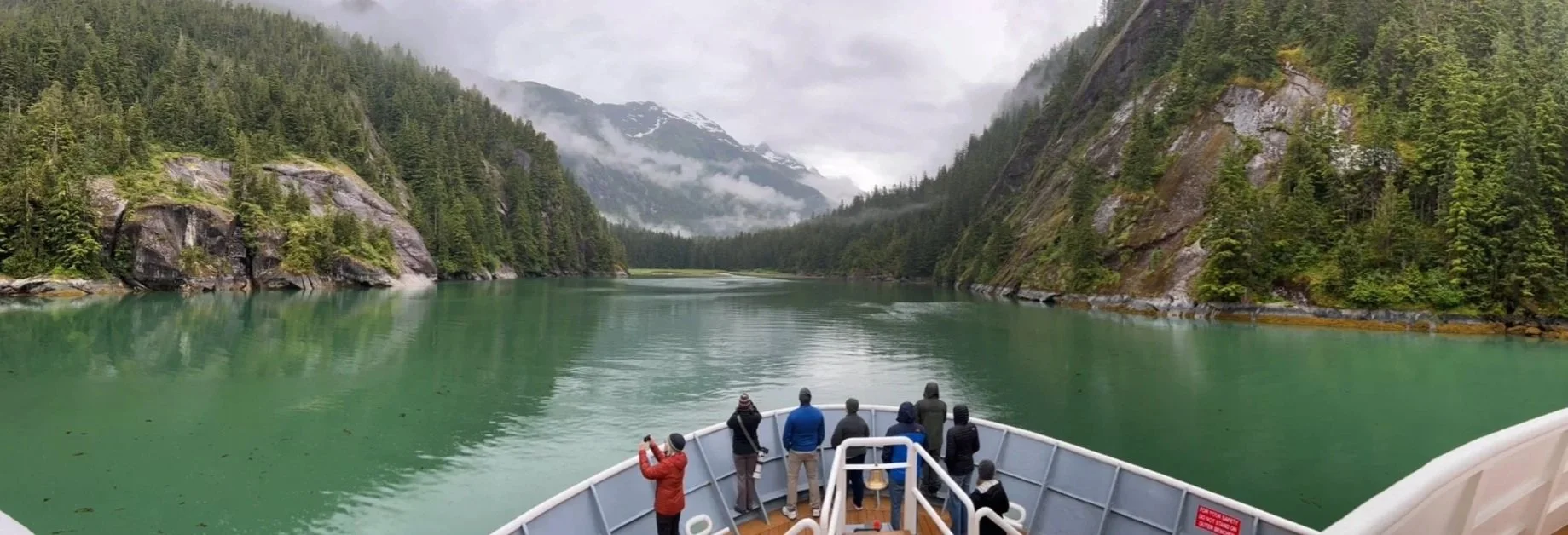
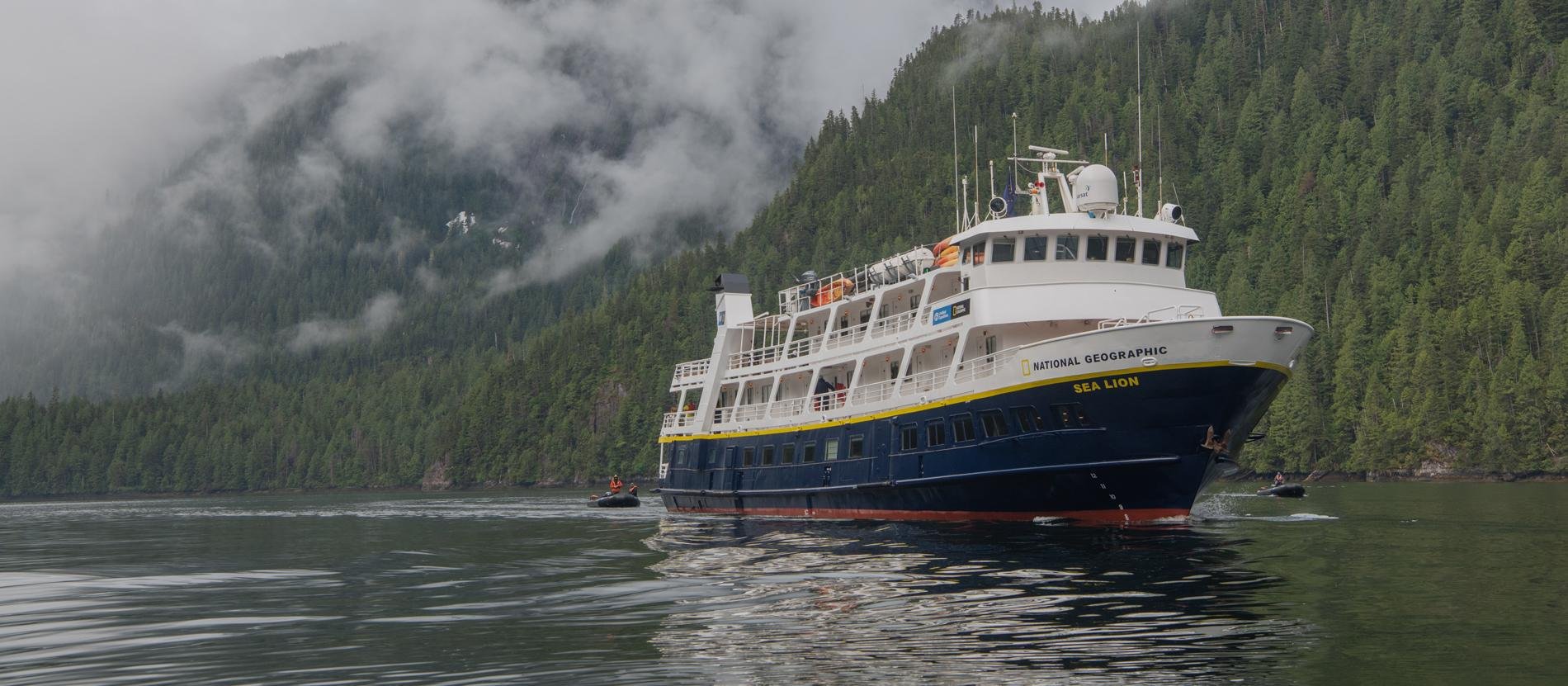
When most people think of cruising Alaska, they picture a large ship moving between well-known ports, with shore excursions booked along the way. I sailed Southeast Alaska very differently, aboard National Geographic Sea Lion, a 62-passenger expedition ship operated by National Geographic-Lindblad Expeditions.
Instead of spending the week moving between major cruise ports, we explored islands, narrow waterways, rainforest, wildlife-rich channels and small communities by Zodiac, kayak and on foot. I traveled with my son, and we spent most days actively exploring rather than simply viewing Alaska from the ship.
| My Alaska Expedition | Details |
|---|---|
| Expedition | Exploring Southeast Alaska's ABC Islands |
| Operator | National Geographic-Lindblad Expeditions |
| Ship | National Geographic Sea Lion |
| Ship size | 62 guests in 31 outside cabins |
| Length | 8 days |
| Route | Roundtrip Juneau |
| Exploration style | Zodiac cruising, hiking, kayaking, cultural visits and glacier exploration |
| Wildlife we saw | Orcas, humpback whales and other whales, sea otters, Steller sea lions, bald eagles, seabirds and bears |
National Geographic Sea Lion
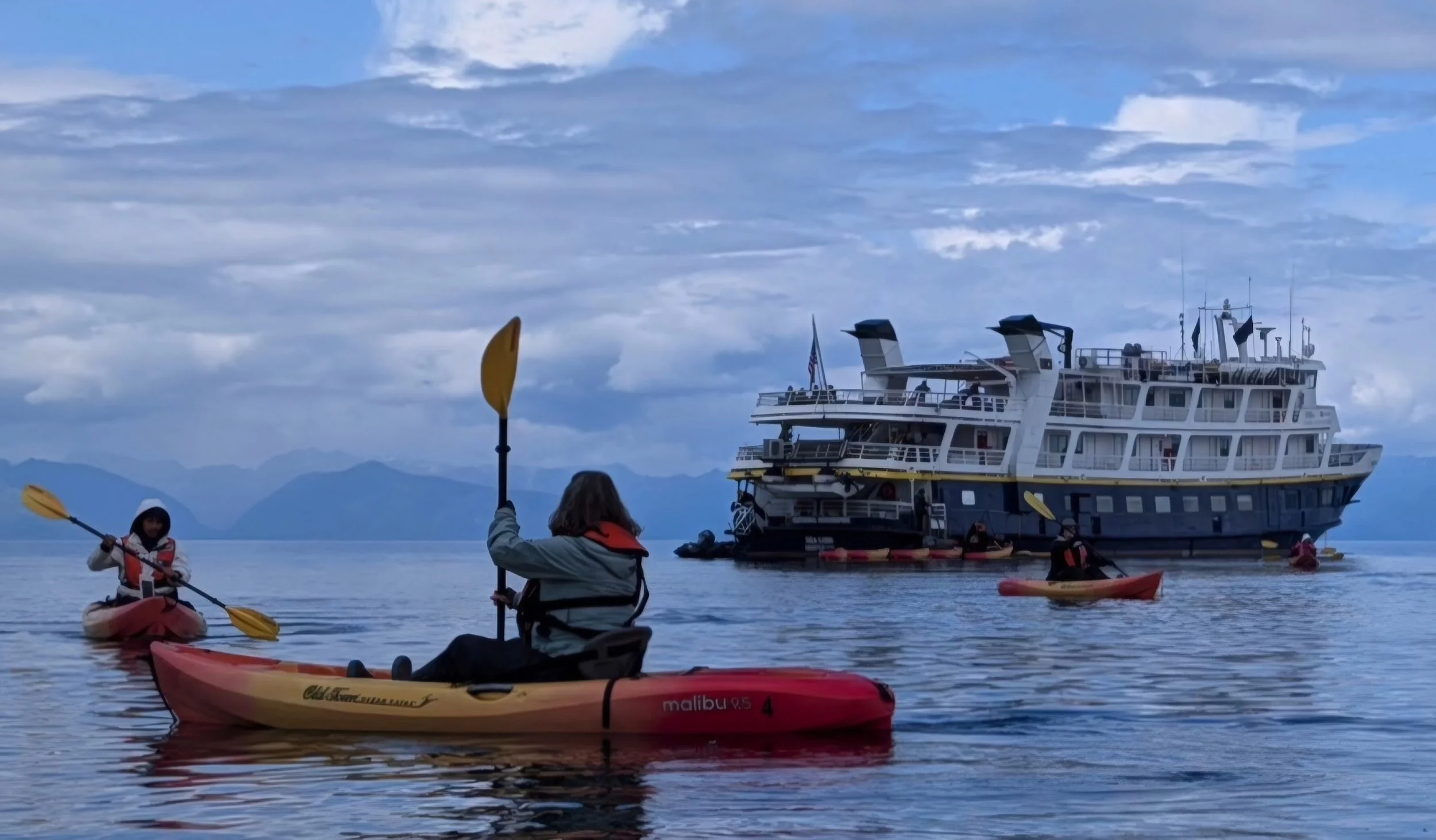
National Geographic Sea Lion was a very small ship, with just 31 outside cabins for 62 guests. Within a short time, we knew the expedition staff, many of the crew and quite a few of the other passengers.
The ship itself was straightforward rather than luxurious, but it was well designed for expedition travel. Outdoor decks were easy to reach, expedition gear was close at hand, and getting a small group of passengers into Zodiacs was quick and uncomplicated.
Sea Lion completed its final Alaska season in 2026. Lindblad continues to operate Alaska expeditions on other ships, which I will cover separately in a broader guide.
The Places We Explored
No conventional cruise ports on this trip. Some some were islands, bays or stretches of water where Sea Lion anchored and we headed out by Zodiac, kayak or on foot. Each stop was different, and these are the moments I remember most.
Inian Islands
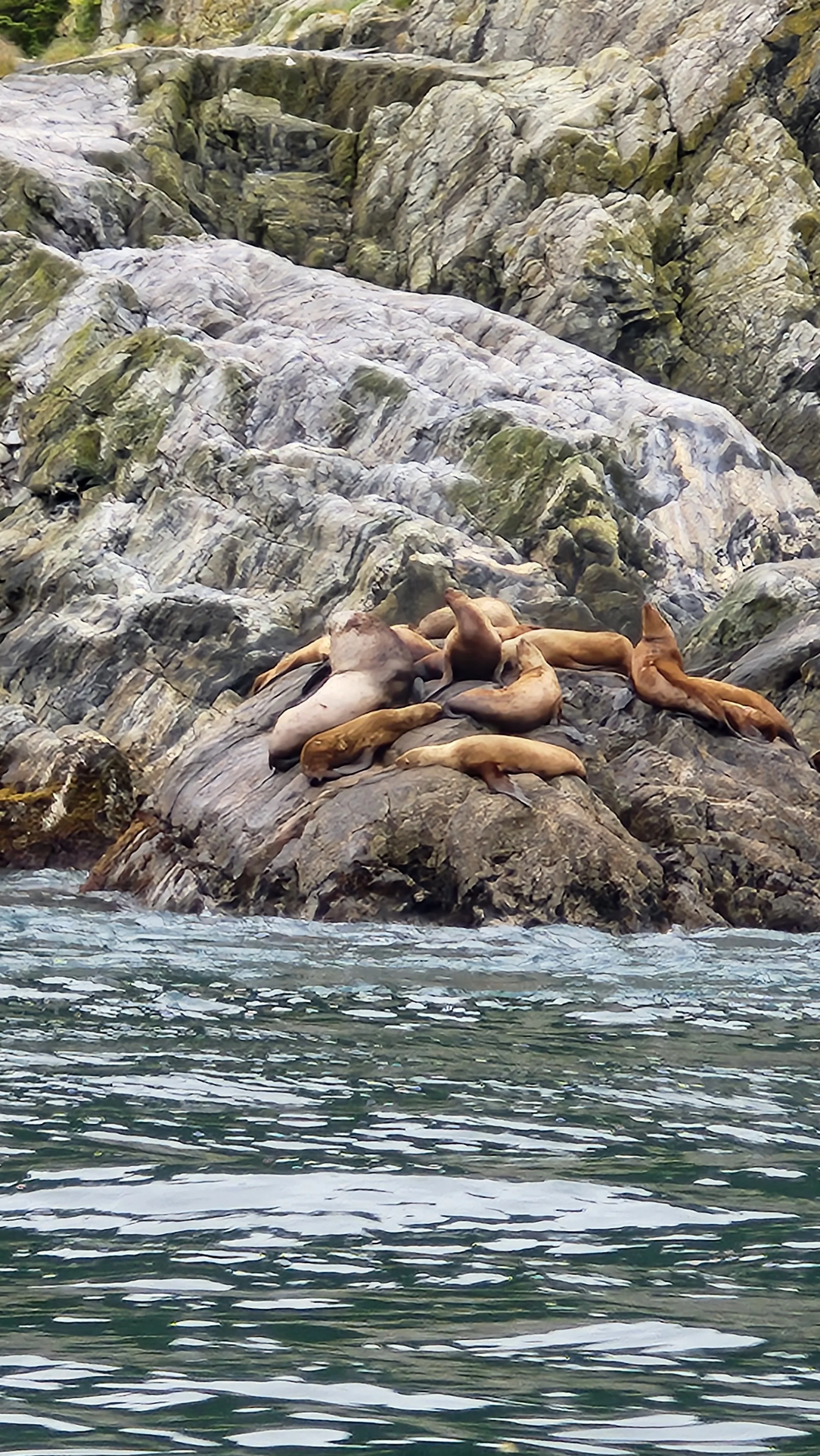
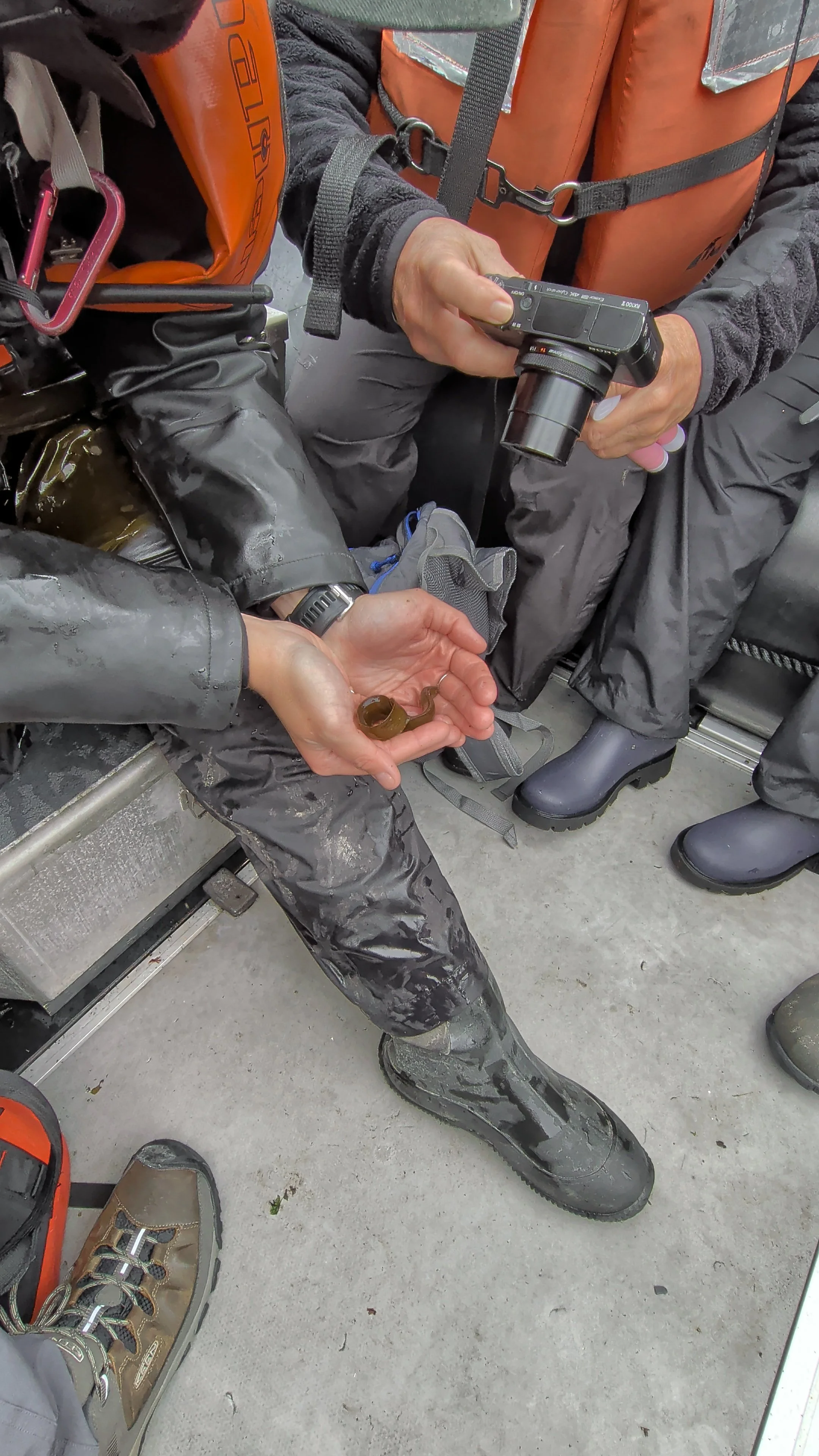
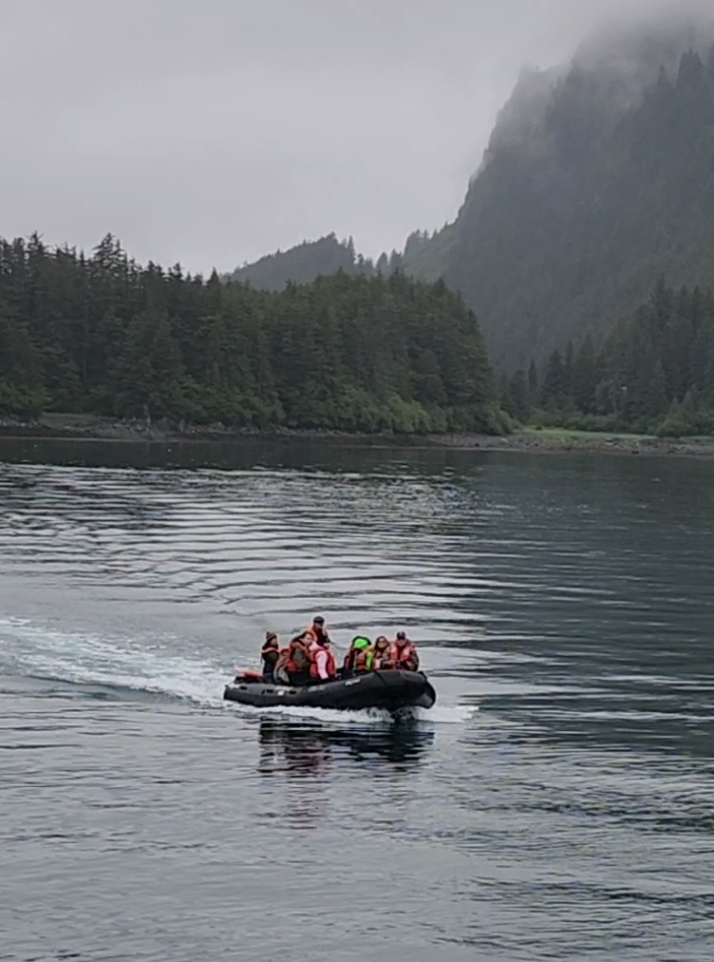
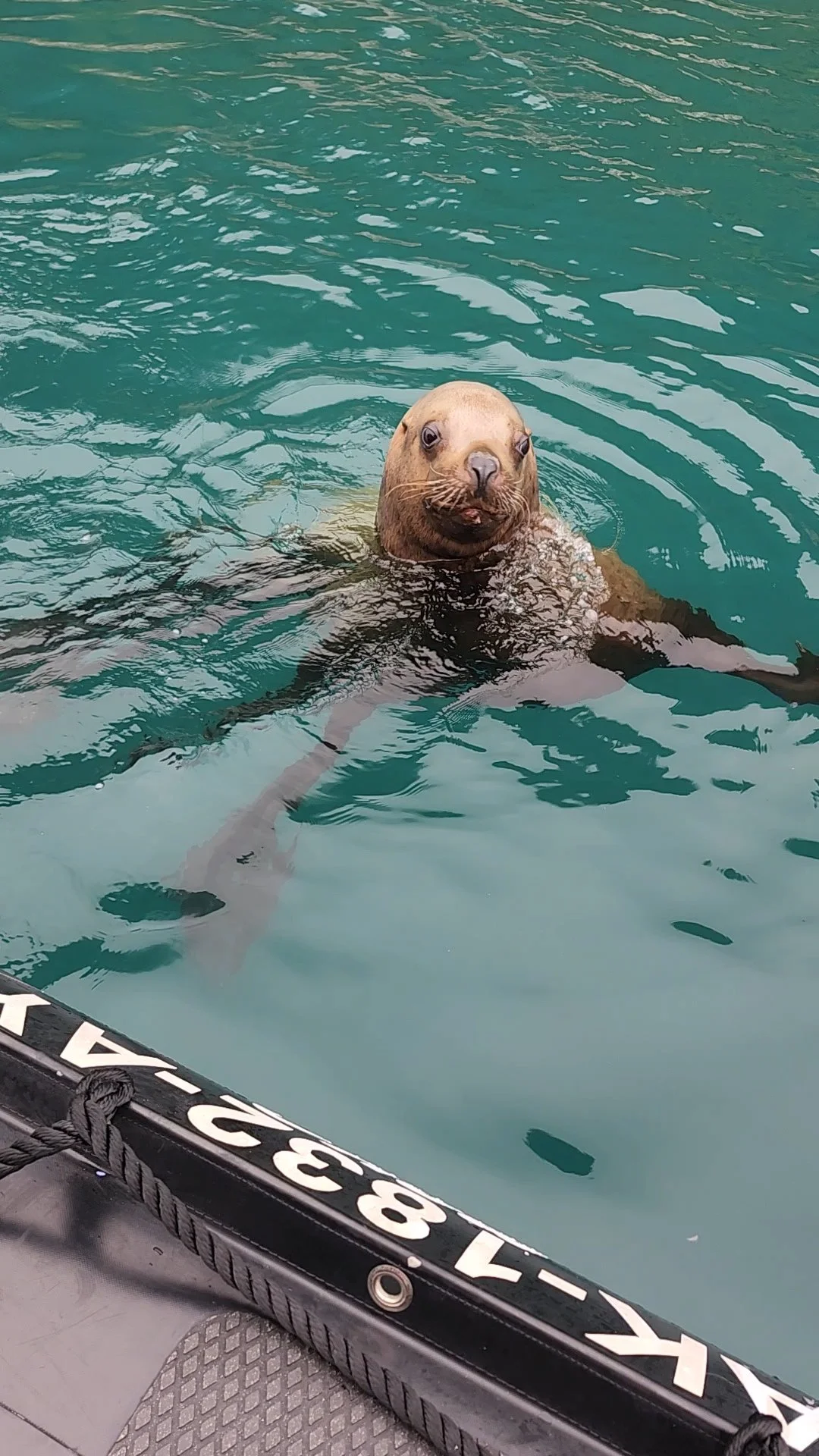
We explored the Inian Islands by Zodiac through nutrient-rich waters known for marine wildlife. Our naturalist showed us the kelp up close, and we even got to handle and taste a little of it. Steller sea lions were piled on the rocks, and one curious young sea lion came right up to our Zodiac to investigate us.
Port Althorp
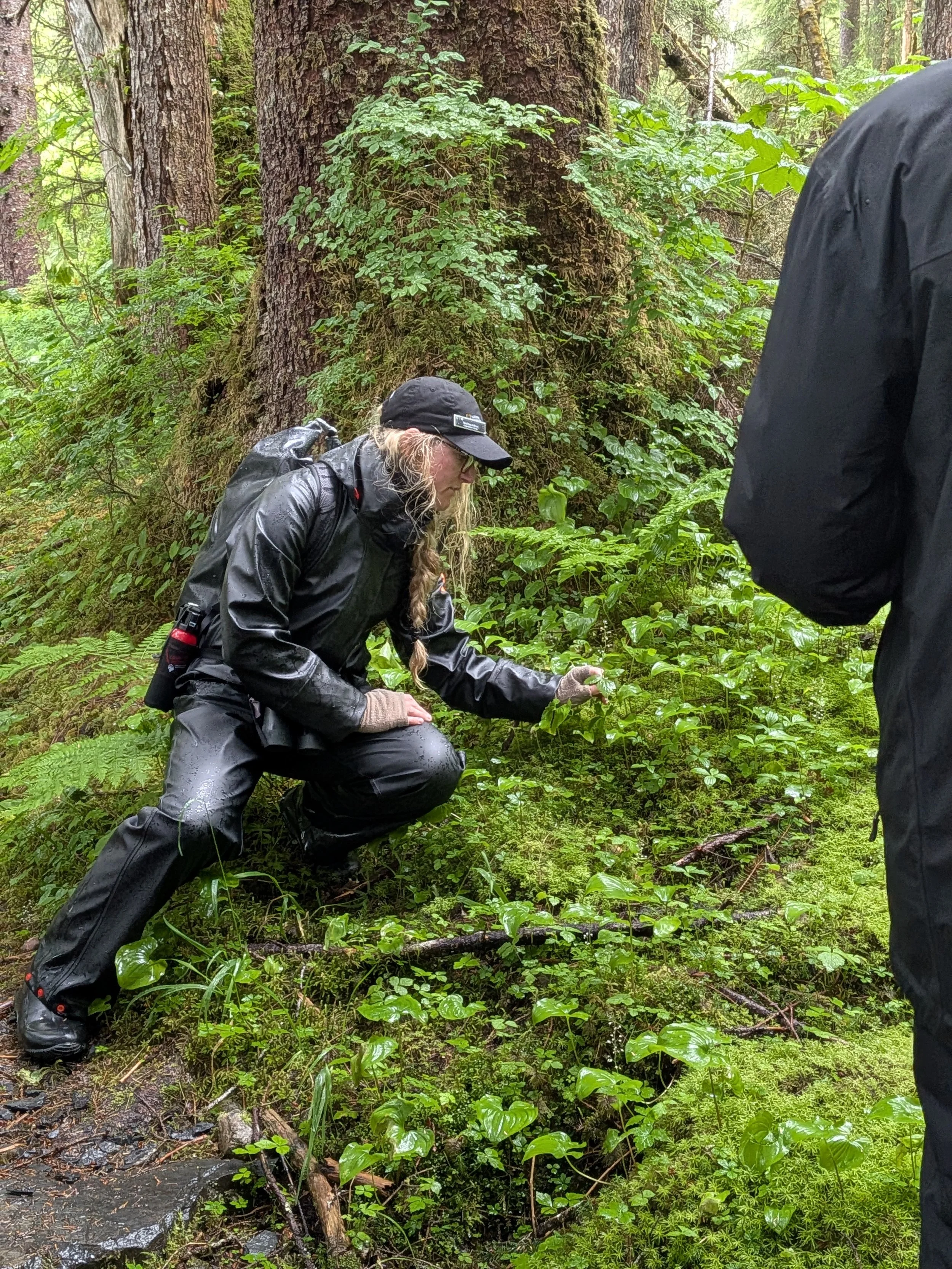
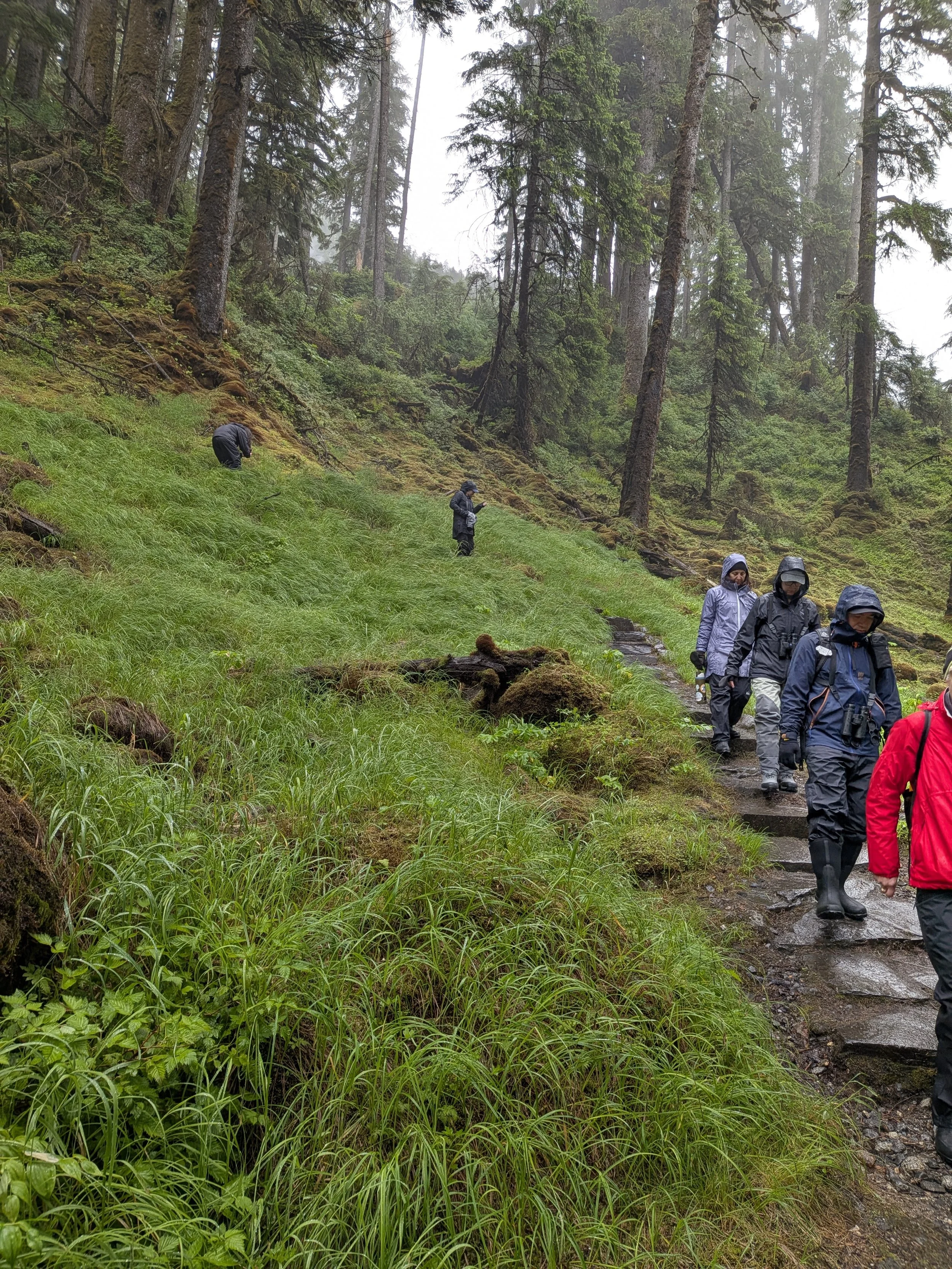
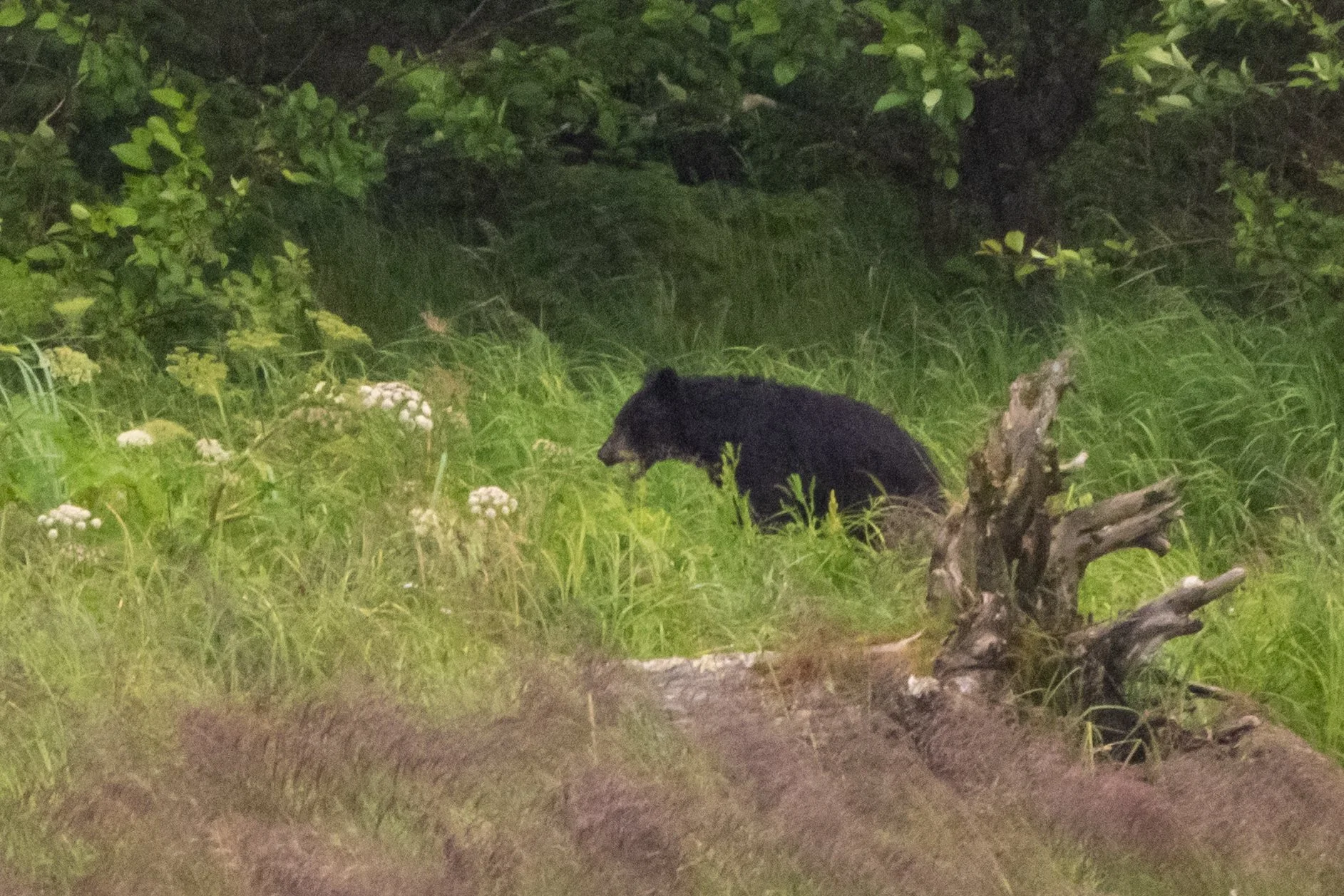
Several hiking levels were offered here, and I chose the medium-intensity route rather than the bushwhacking option. We saw plenty of bear tracks and scat, although thankfully no bear on the trail itself. The guides carried bear spray, kept us together and explained why talking and making our presence known is important when hiking through bear habitat.
Fern Harbor
At Fern Harbor in Glacier Bay National Park, we could explore meadow, mudflat and intertidal areas on foot, take the more strenuous forest route or head out by Zodiac. Later, as we cruised through Icy Strait and Chatham Strait, the focus shifted back to scanning the water for marine wildlife.
Kake
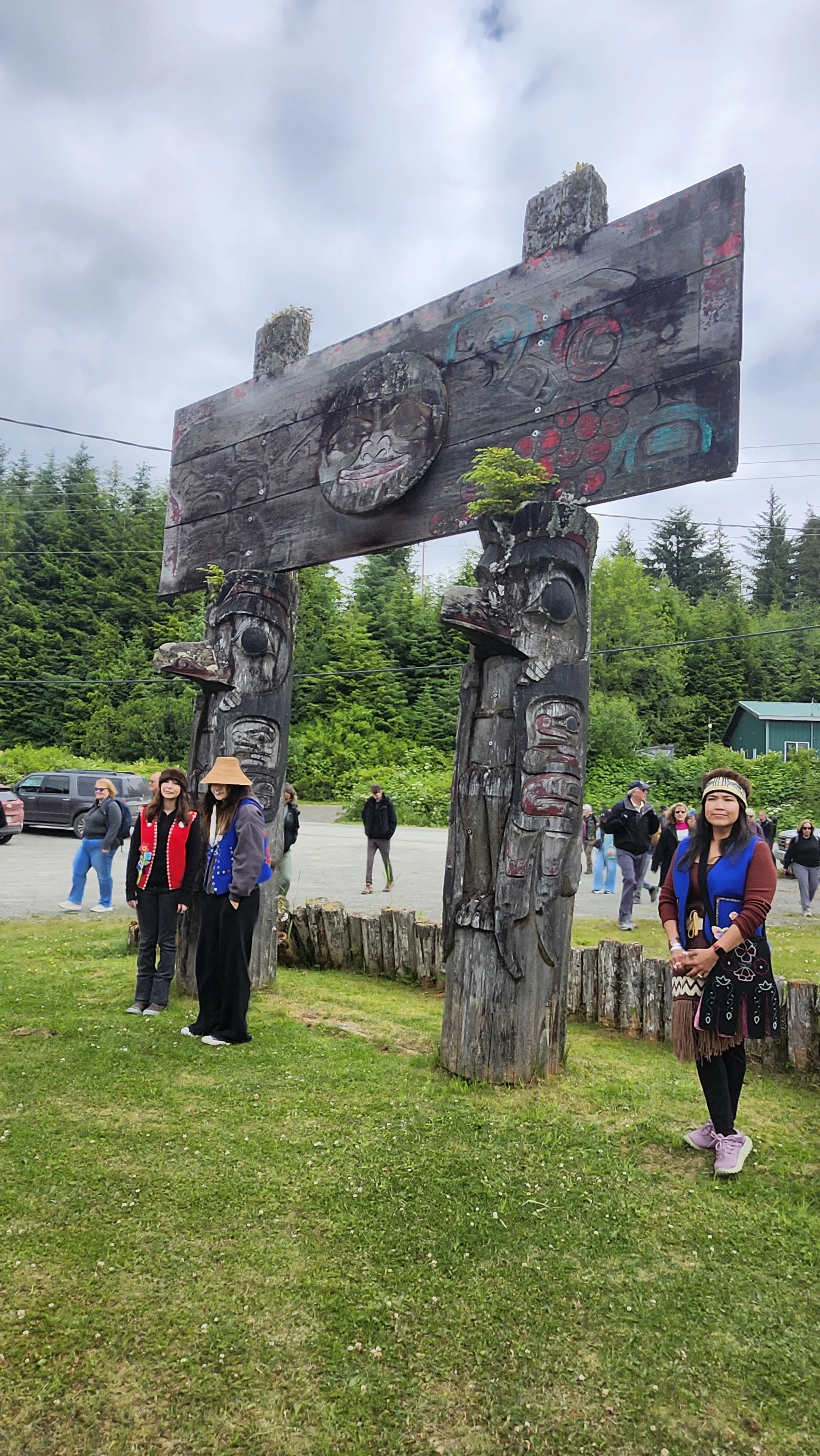
Kake was our cultural stop. We received a Tlingit welcome and heard stories about the community, its traditions, history and totem poles. It was informative without feeling formal, and also one of the most fun stops of the week.
Keku Islands
Guests could explore the Keku Islands by kayak, stand-up paddleboard or Zodiac. I chose the Zodiac and got very lucky: a pair of humpback whales stayed near us and repeatedly entertained us with lunge feeding.
Petersburg
Petersburg is a working fishing community with strong Norwegian heritage. We took a long walk through town and did some souvenir shopping. Of all our stops, this was probably the one that felt closest to a conventional Alaska cruise-port day.
Thomas Bay & Cascade Creek
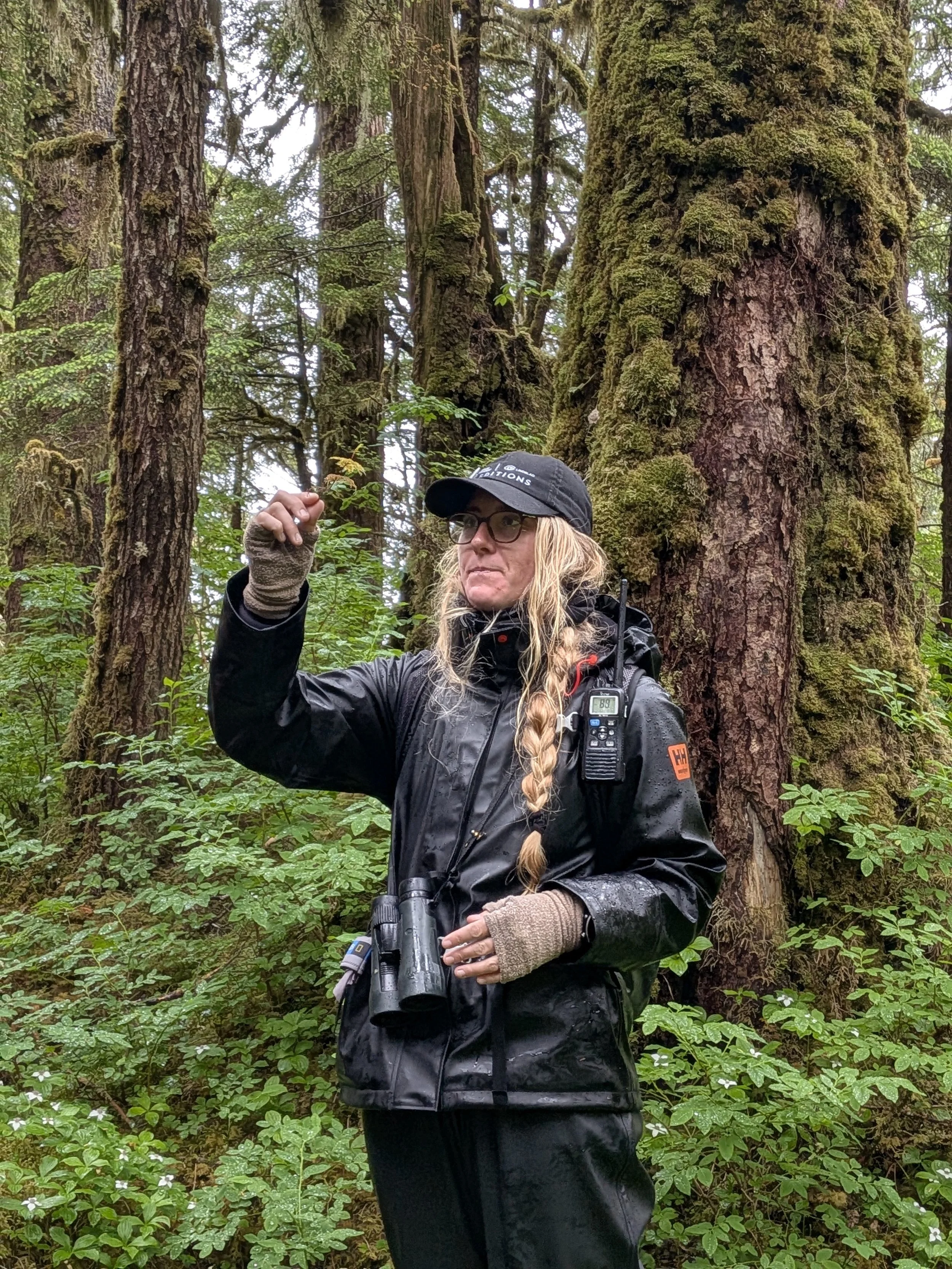
This was a wonderful introduction to Southeast Alaska's old-growth temperate rainforest. We walked among huge trees with moss draped over almost everything, crossed streams, followed boardwalks through muskeg and eventually reached a beautiful waterfall. Longer hikes and kayaking were available too.
Frederick Sound & Stephens Passage
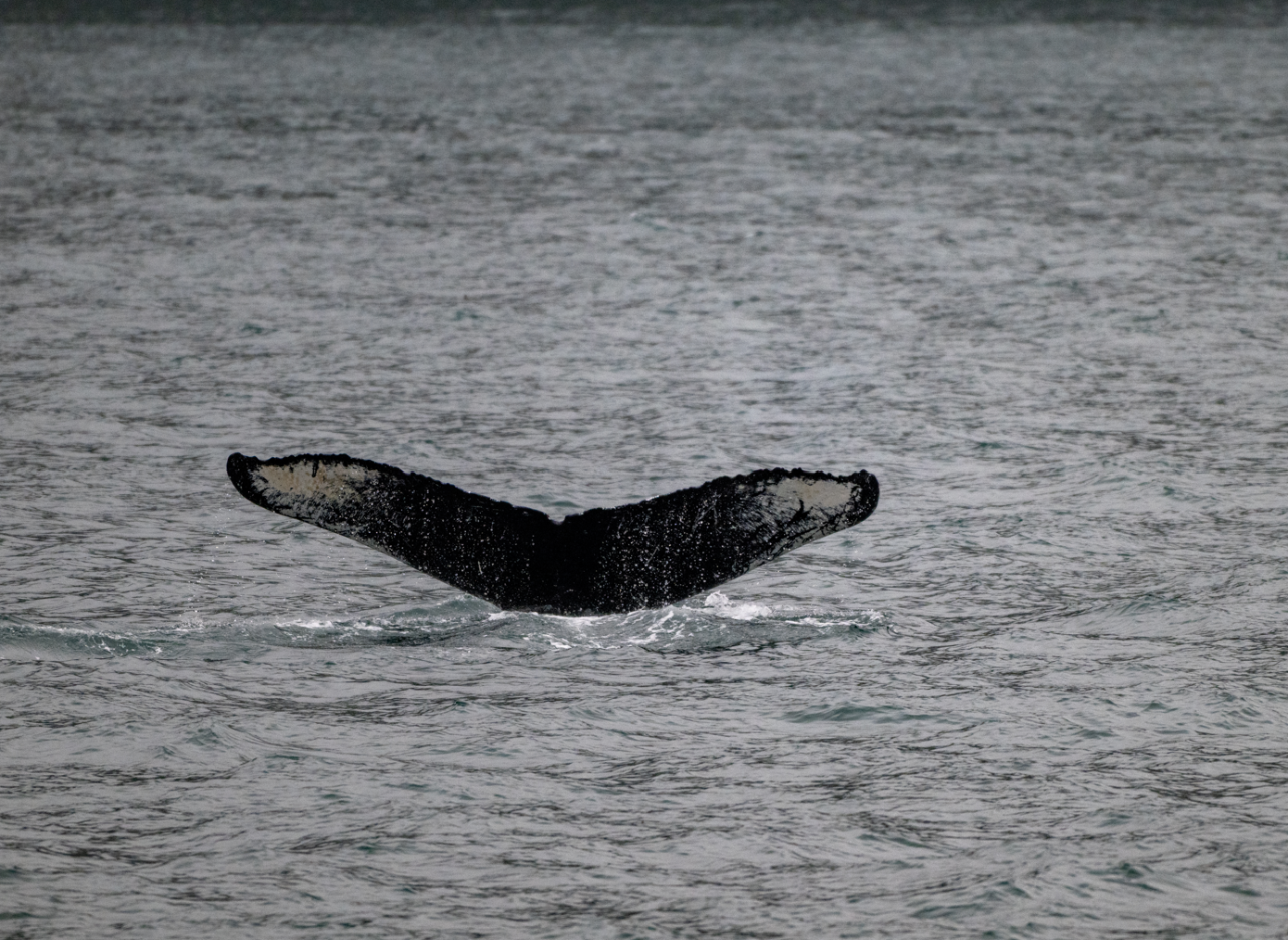
We spent hours on the bow that evening watching humpbacks. We counted at least 15 whales in different groups, with repeated dives and tail flukes alongside the ship. The expedition team even recognized one familiar individual they knew as Wedgie, which showed just how closely these naturalists know the wildlife in these waters.
Endicott Arm & Dawes Glacier
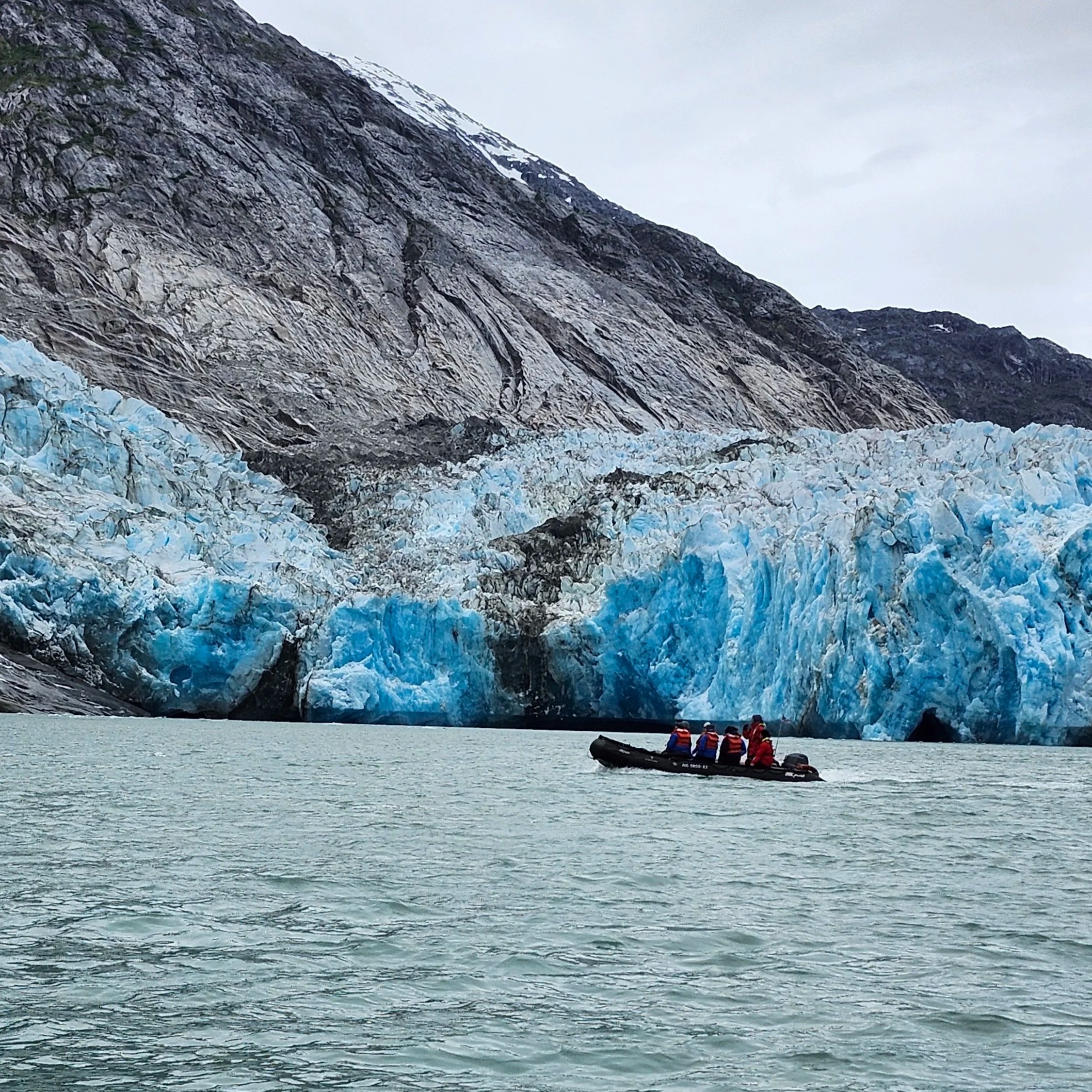
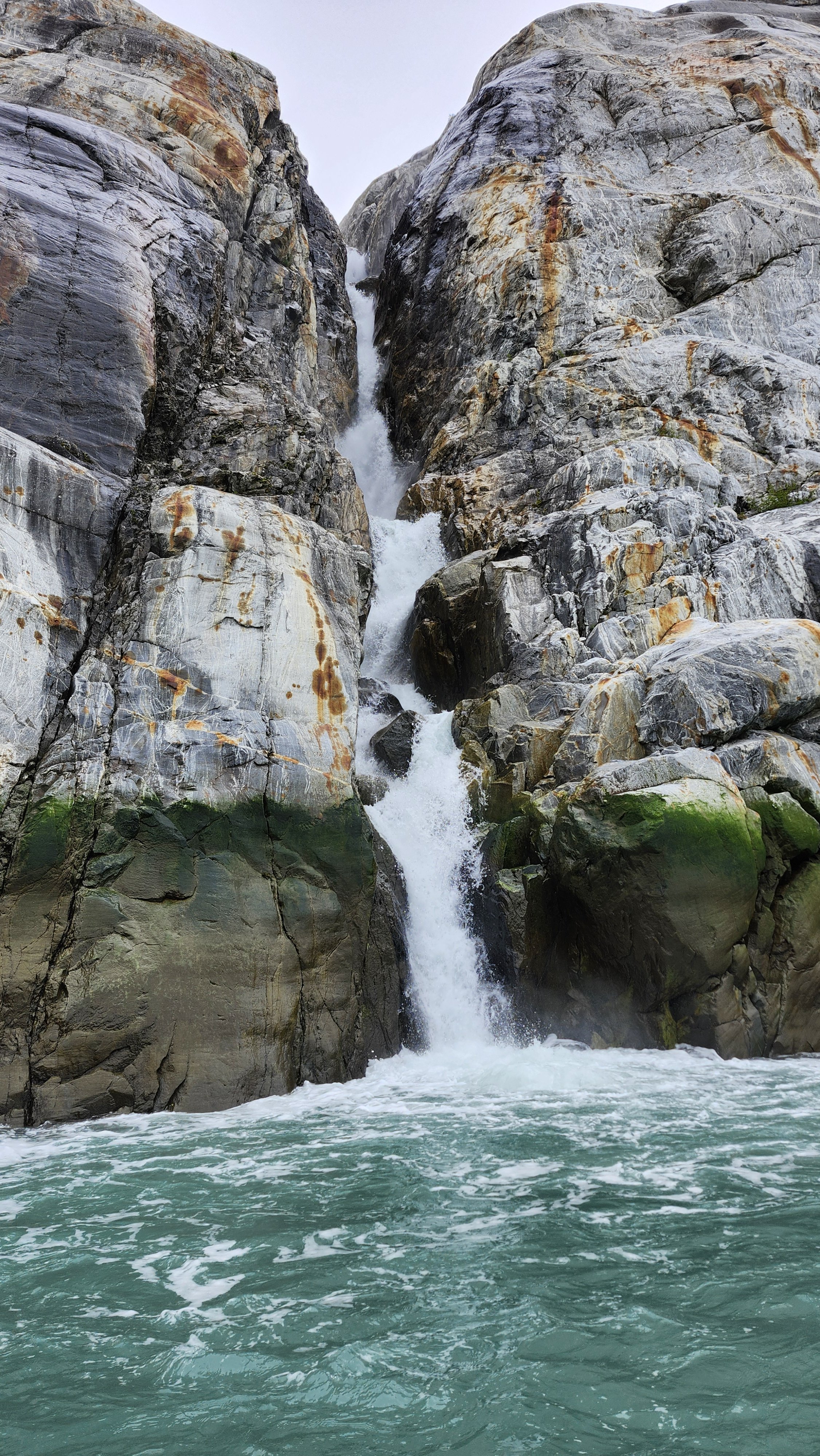
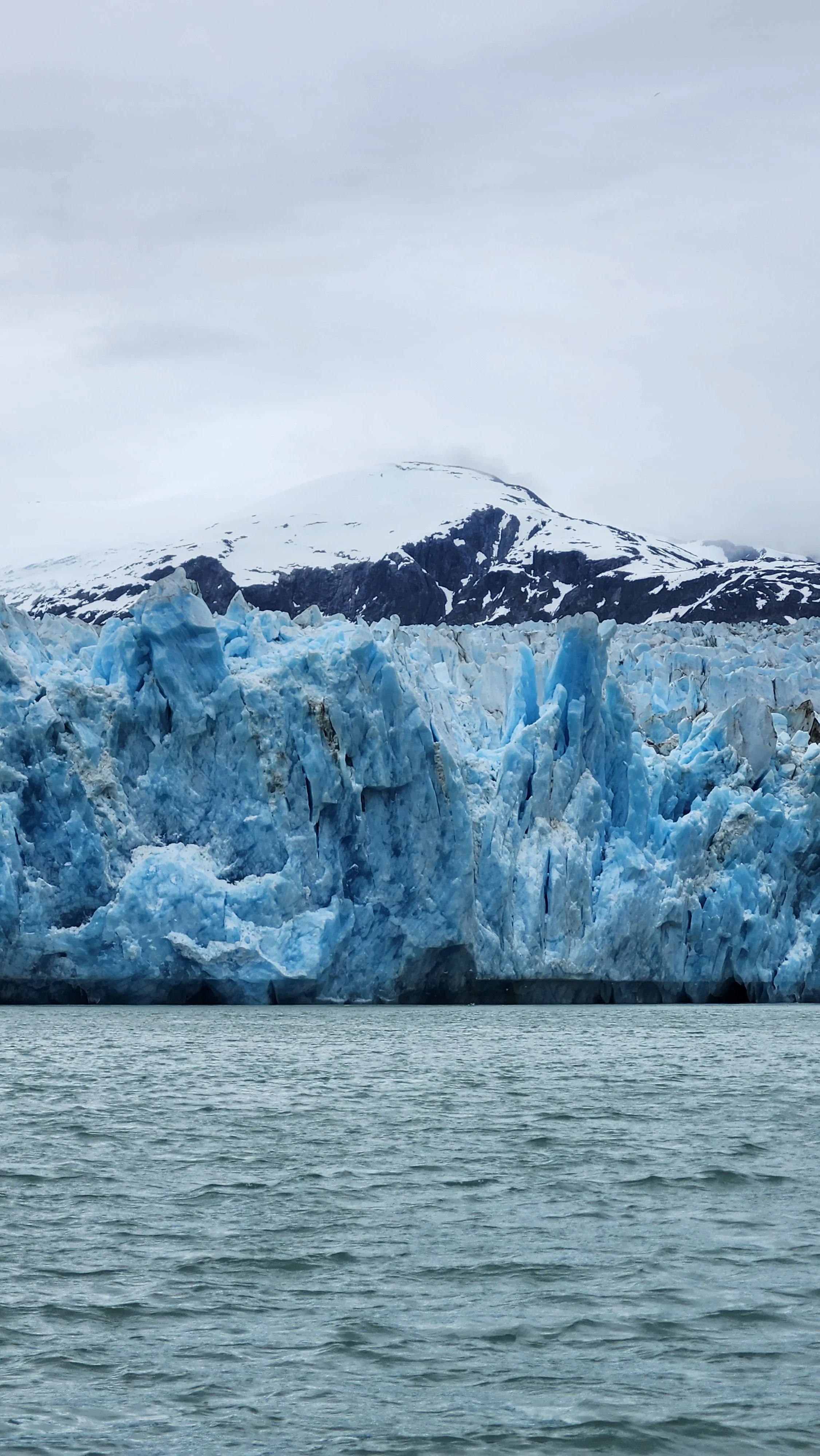
Endicott Arm was one of the most dramatic landscapes of the trip. Steep rock walls rose almost directly from the water, marked by grooves left by ancient glacial movement, while waterfalls spilled down the cliffs from snowmelt and rain. At the end of the fjord sits Dawes Glacier, with floating ice scattered through the water as we approached.
What a Typical Expedition Day Looked Like
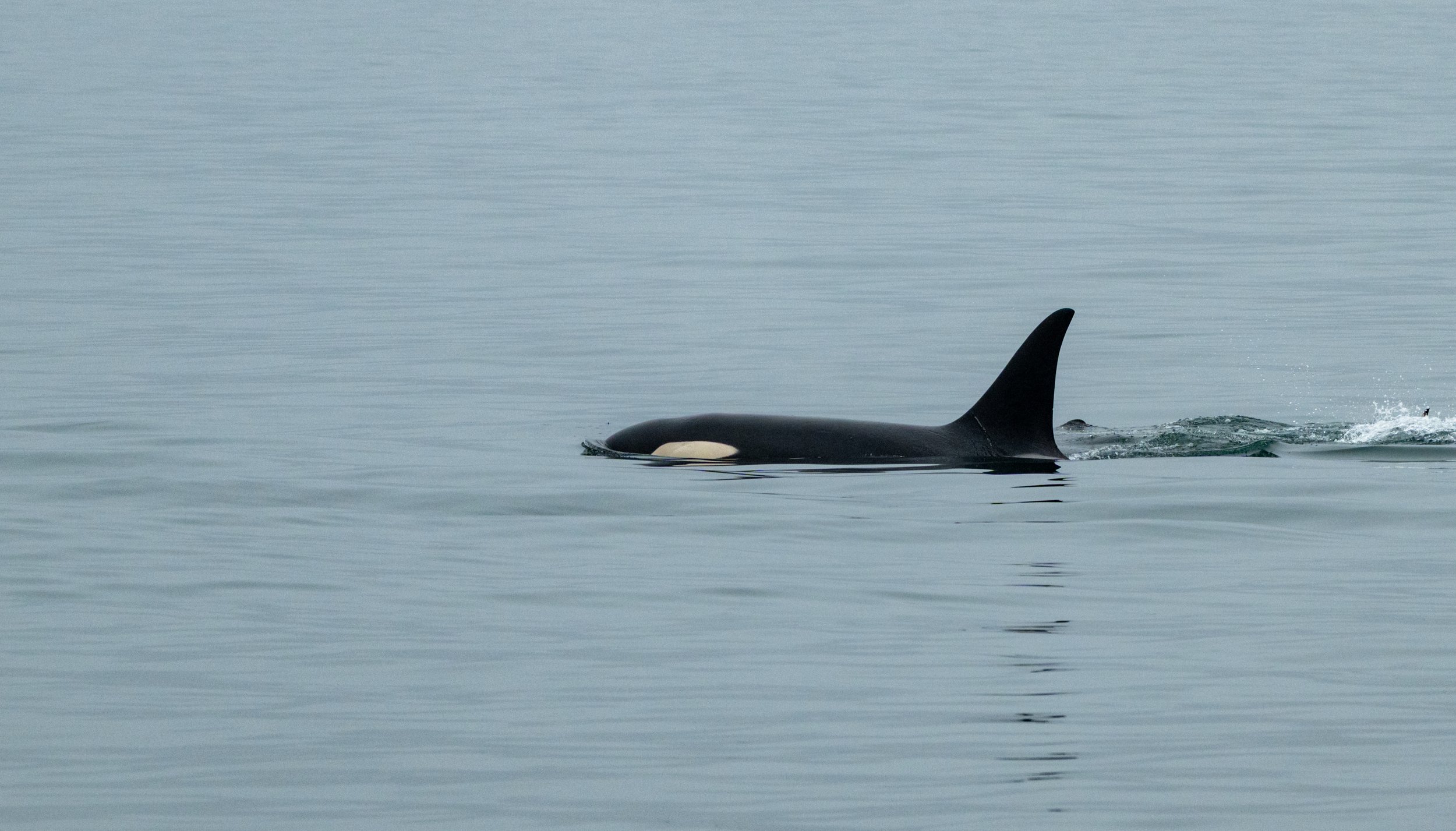
Most mornings began with an announcement around breakfast time giving us an outline of the day. The schedule was flexible, though. One morning, an announcement came at around 5:45 a.m. because orcas had been spotted ahead of the bow, and anyone who wanted to see them simply got dressed and headed outside.
After breakfast, we usually went out for a morning activity, returned for lunch and had a little downtime before heading out again in the afternoon. Evenings typically included a social hour, expedition recap, dinner and a presentation from one of the naturalists.
| Part of the Day | What Usually Happened |
|---|---|
| Morning | Wake-up announcement, breakfast and an overview of the day's conditions and activities |
| First outing | Zodiac cruising, hiking, kayaking or another expedition activity |
| Midday | Return to the ship for lunch and some downtime |
| Afternoon | Second landing, Zodiac outing, wildlife cruising or another activity |
| Early evening | Social hour followed by the expedition team's recap and plans for the following day |
| Dinner | Served in the ship's small communal dining room |
| After dinner | Naturalist presentation on wildlife, ecology, geology, photography or another subject connected to the expedition |
The Expedition Team
The expedition team was one of the strongest parts of the voyage because the naturalists had genuinely different areas of expertise.
Our expedition leader, Ellie Piper, came from a background in ecology and outdoor education. Kate Sutherland brought expertise in seabirds and marine biology, while Melissa Heres, our undersea specialist, is a marine biologist, diver and hydrographer.
Kerri McAllister brought experience in environmental education, climate science and conservation, and Kylee Walterman had a marine-science background with experience in whale watching and wildlife interpretation. There was also photography instruction onboard, including help with smartphone photography and composition.
On some outings, guests could choose a group based on what interested them most. Birders could spend more time with the bird-focused naturalist, while someone fascinated by whales or marine ecosystems could gravitate toward the biologist.
What We Learned Along the Way
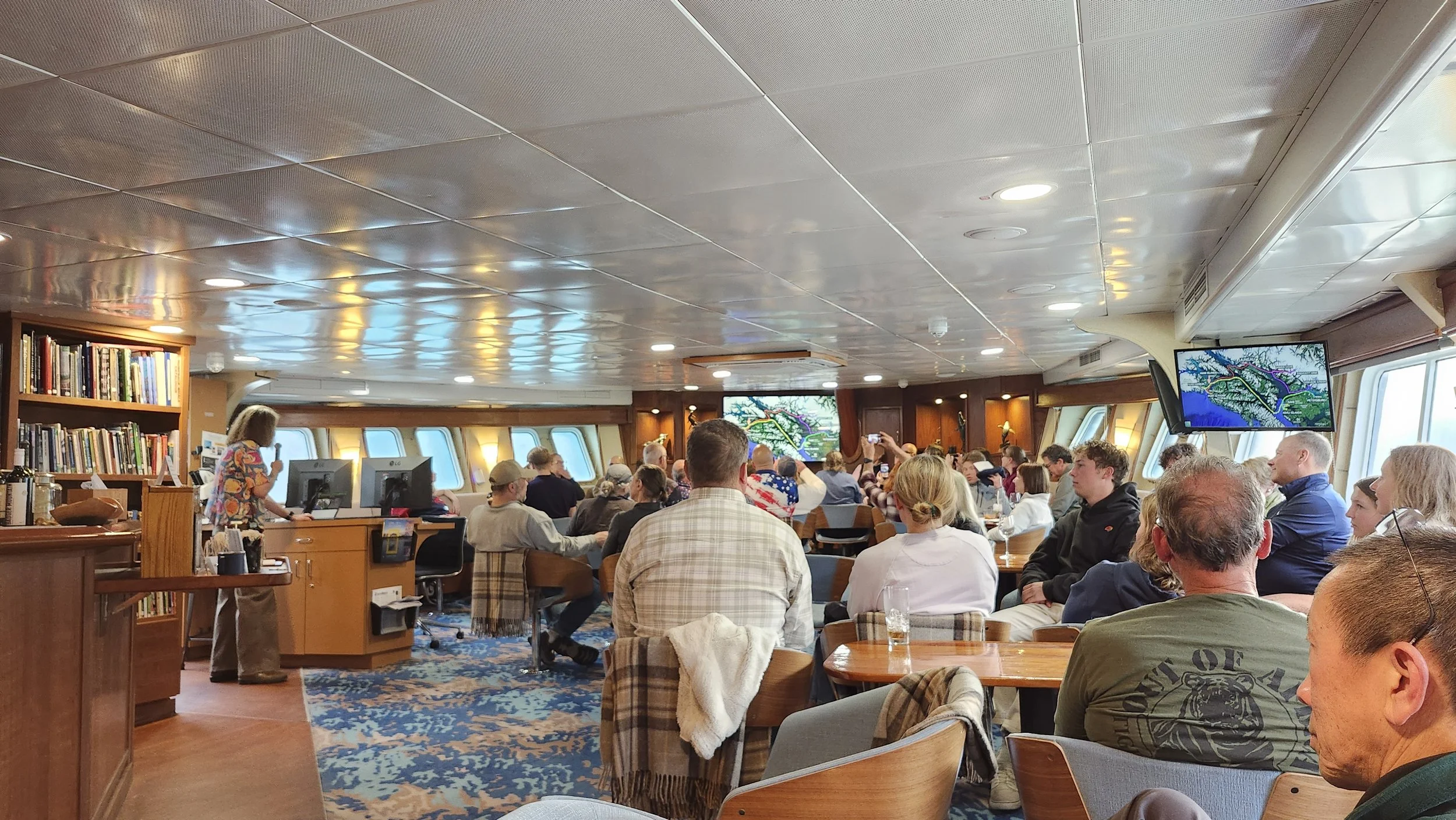
The evening presentations covered subjects such as Alaska’s birds, humpback whale adaptations, glaciers, intertidal ecosystems and seafloor mapping, but the learning was not confined to the lounge after dinner.
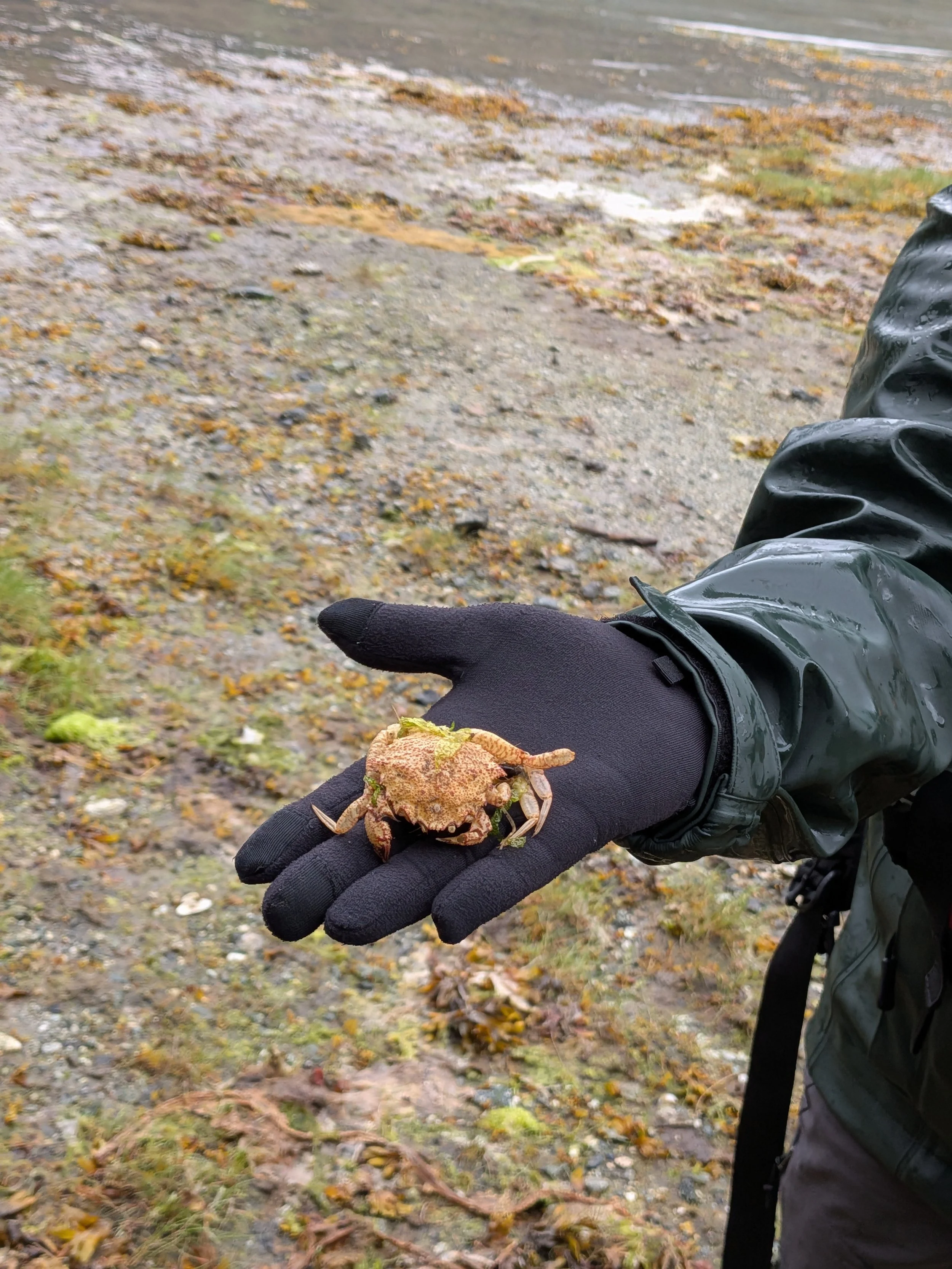
Every Zodiac cruise and hike became its own informal field lesson. We would stop to look at plankton, talk about kelp forests, discuss how whales feed, identify birds and learn about their migration patterns. On land, the naturalists pointed out the trees and plants around us, including Sitka spruce and western hemlock, and explained how the forest ecosystem fits together.
Because the guides came from different scientific and natural-history backgrounds, they were constantly adding context to what we were seeing. A whale sighting became a discussion about feeding behavior. A stretch of shoreline became a lesson in the intertidal zone. A forest walk turned into a conversation about Southeast Alaska’s temperate rainforest.
That was one of the most valuable parts of the trip for me. You were not just seeing Alaska’s wildlife and landscapes. You were learning how the whole ecosystem worked while you were standing in it.
Activities: Hiking, Zodiacs, Kayaking and More
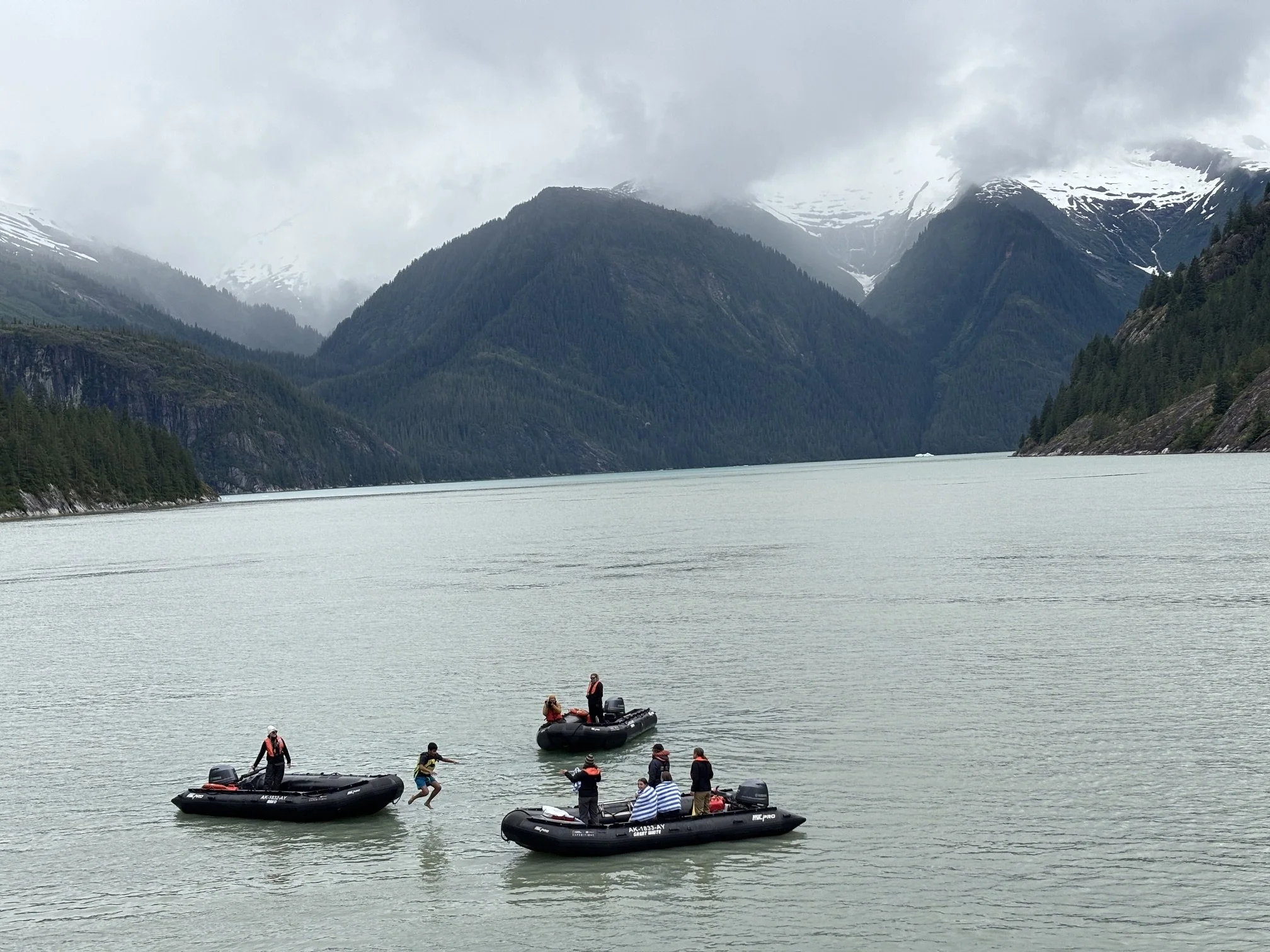
The trip offered Zodiac cruising, hiking, kayaking, stand-up paddleboarding and a polar plunge. Hiking options were often divided into different levels, so guests could choose how active they wanted to be.
The Wildlife We Saw
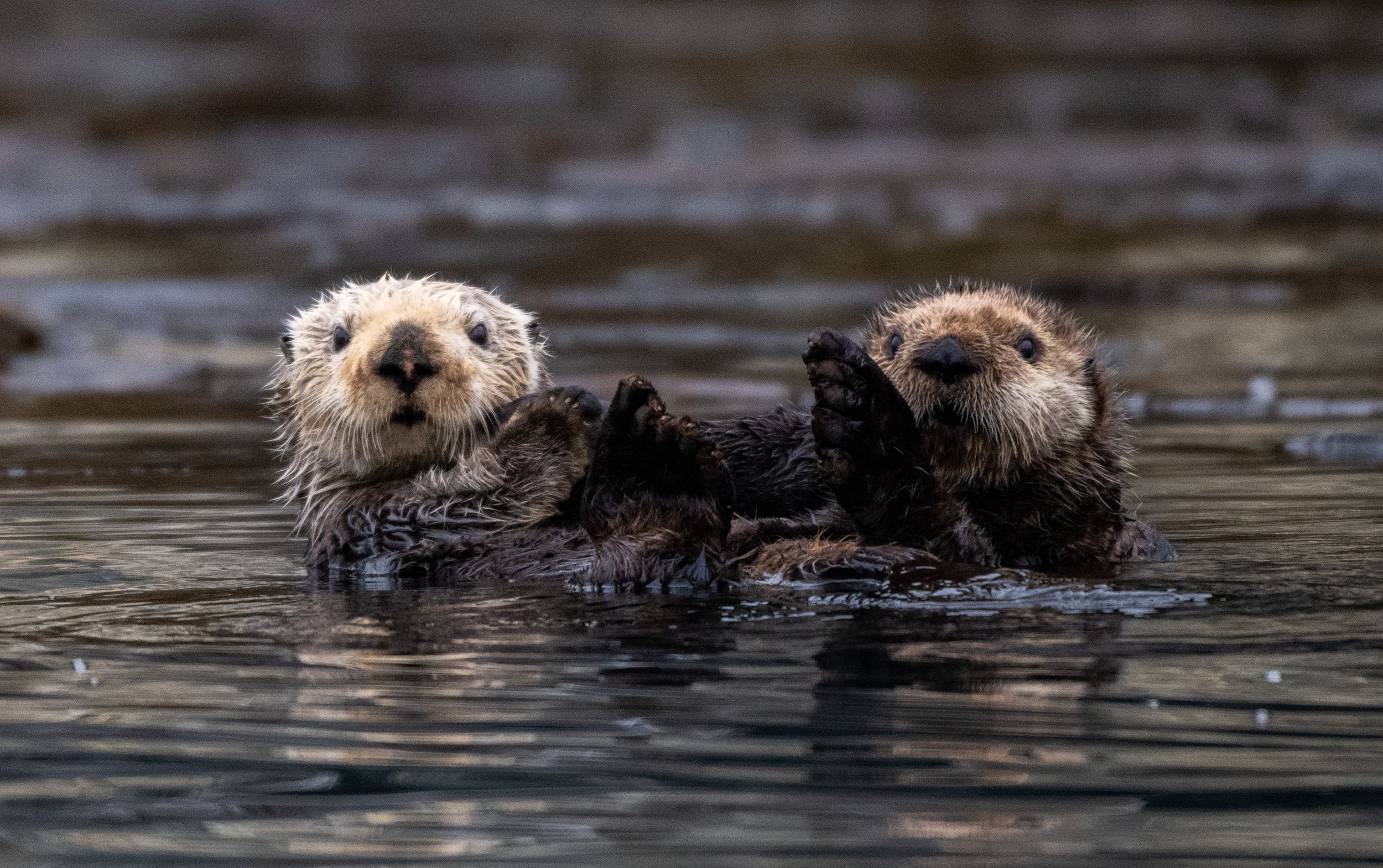
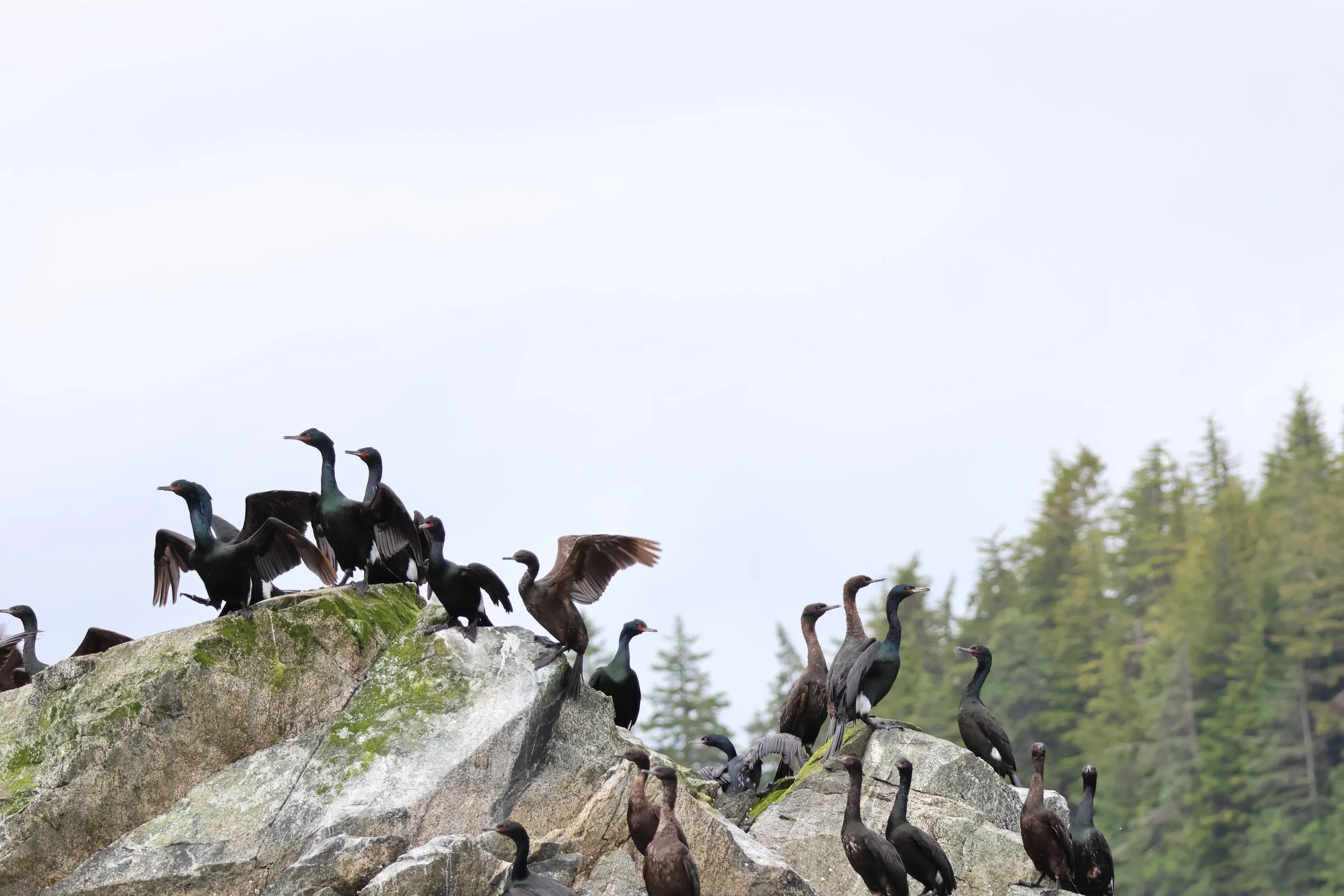
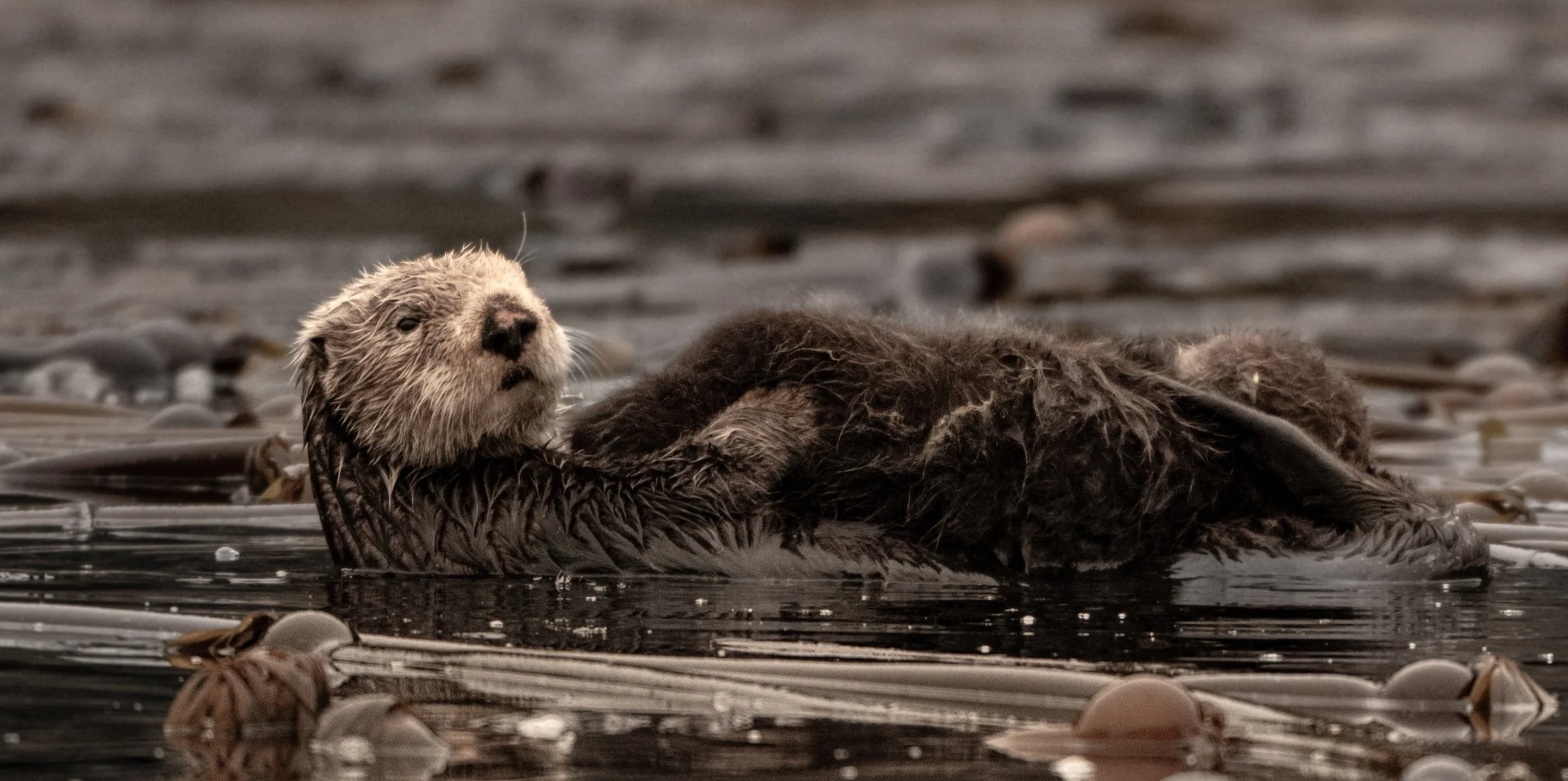
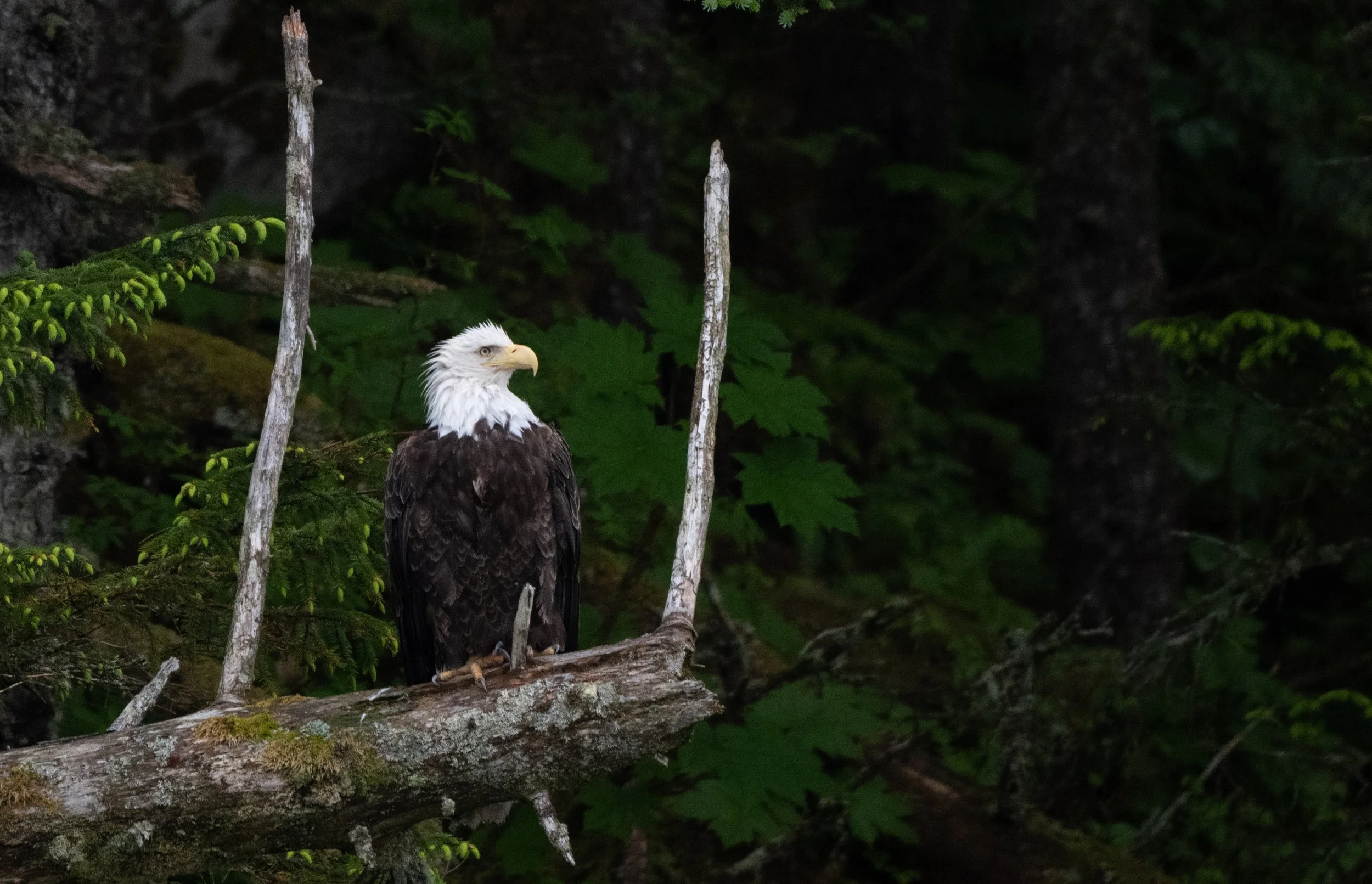
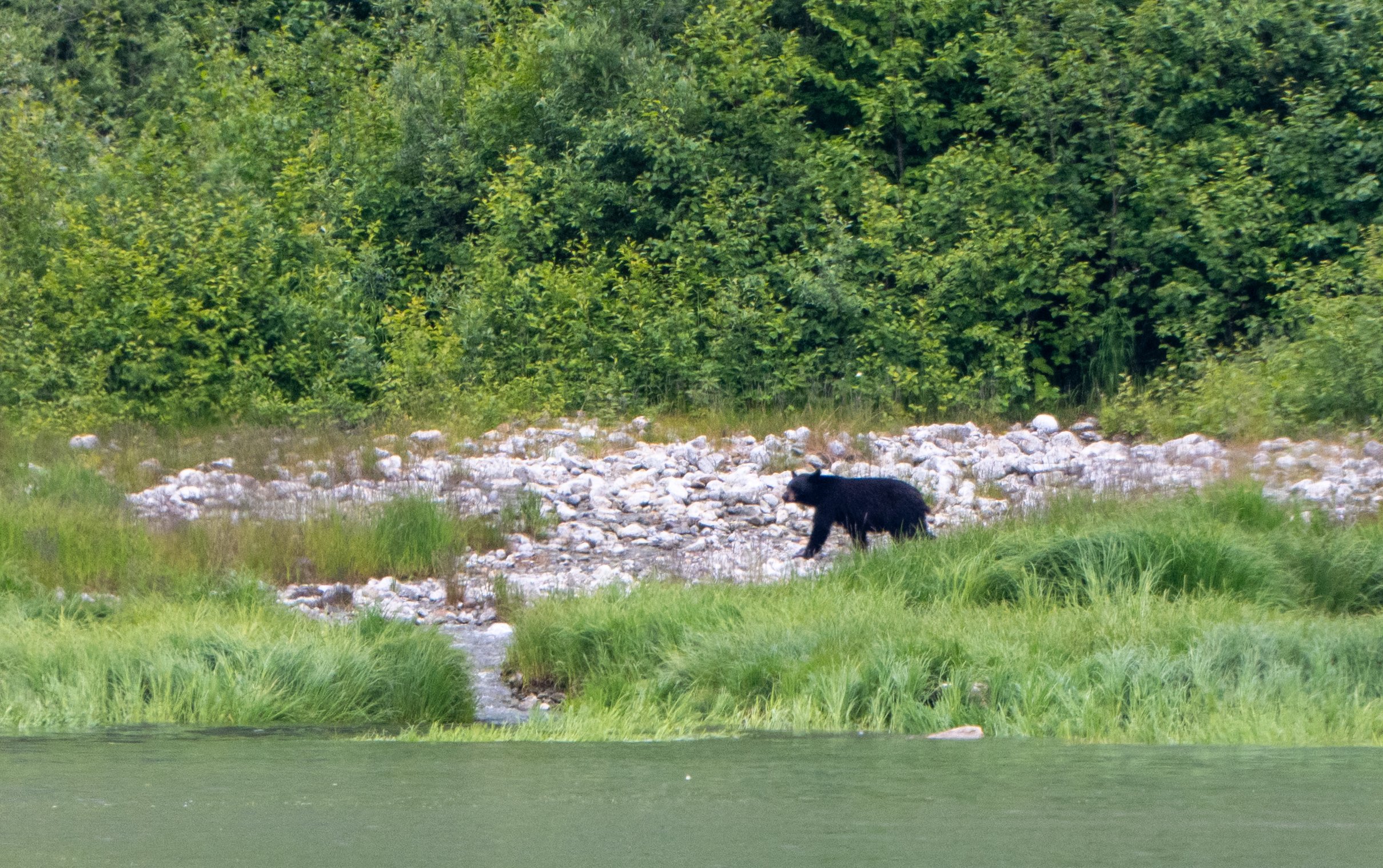
During the voyage we saw orcas, humpback whales and other whales, sea otters, Steller sea lions, bald eagles, seabirds and bears.
What I particularly liked was that wildlife sightings were not confined to a scheduled excursion. Sometimes we were deliberately exploring an area known for marine life; at other times, the ship was simply underway and the expedition team spotted something from the bow.
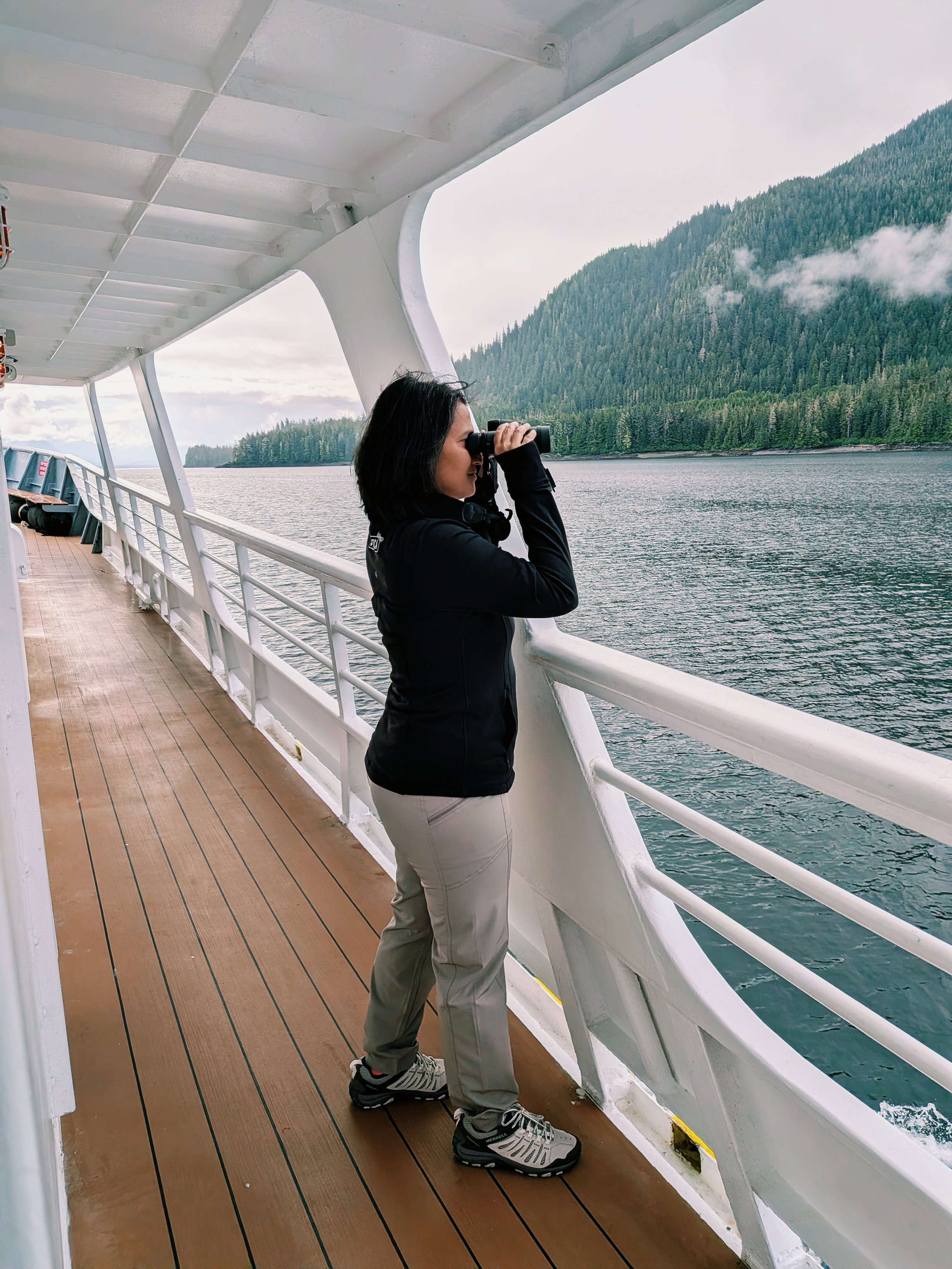
Naturalists were constantly scanning the water and shoreline, so keeping binoculars or a camera nearby was always worthwhile.
My Cabin: Small, but Extremely Functional
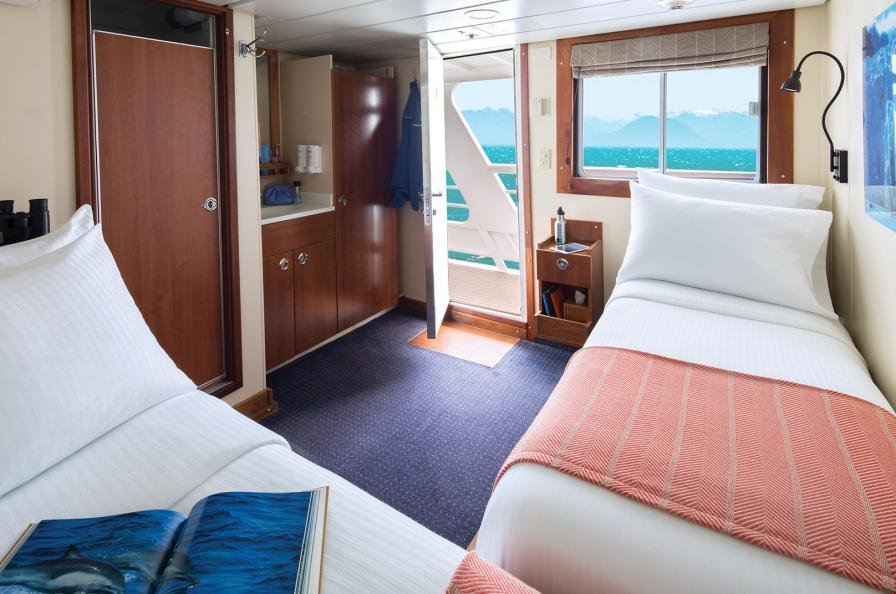
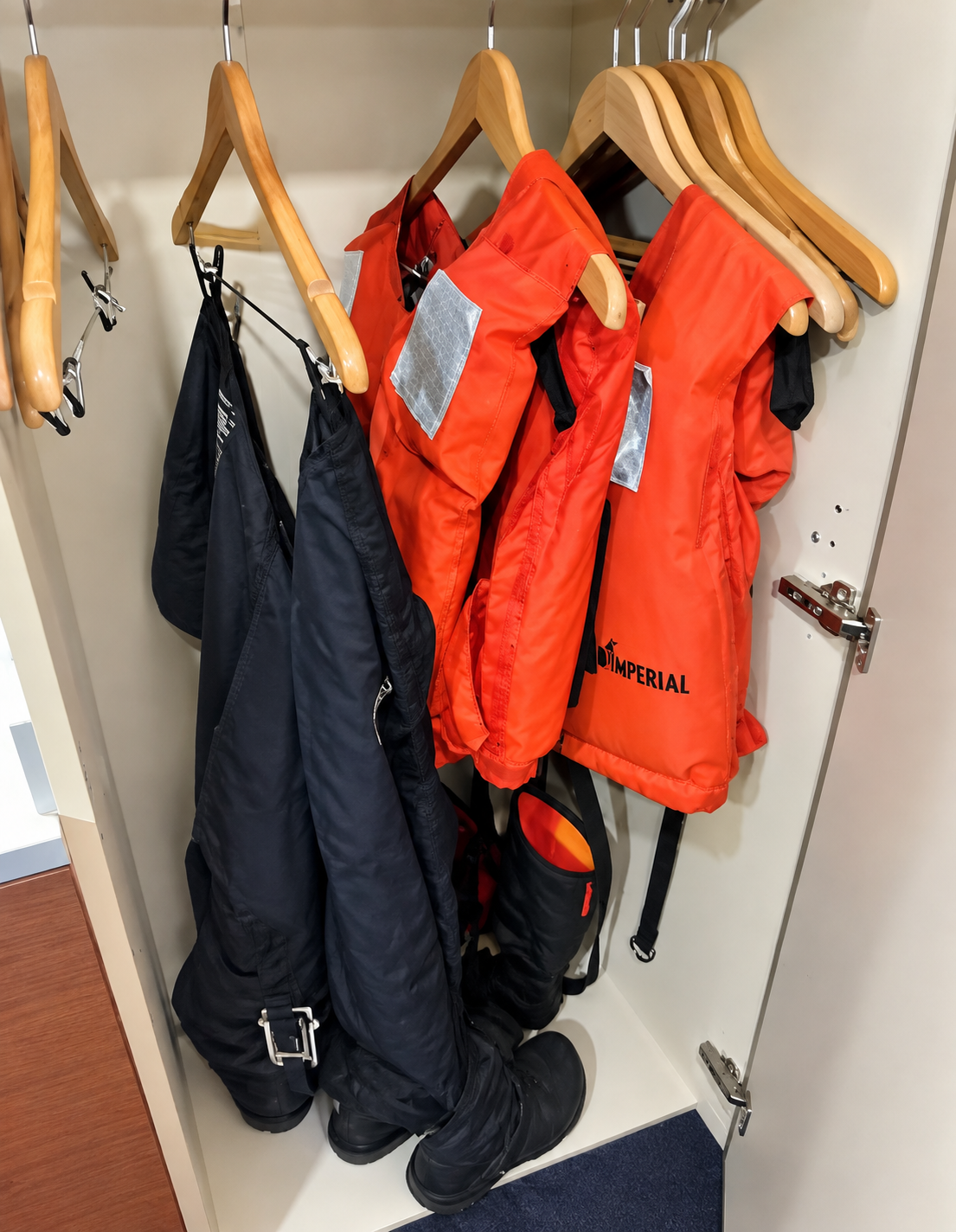
Our cabin was compact, but the storage was much better than I expected. My son and I were both able to unpack completely, using drawers under the beds, shelves and closet space, with practical places for boots and jackets as well.
Another feature I appreciated was that the cabin opened directly onto the outside promenade deck. If something was happening outside, we could simply open the door and step onto the deck rather than navigating interior corridors to reach a viewing area.
Food and Service
Meals were served in a small dining room at communal tables. The food was generally simple and satisfying rather than elaborate, with snacks during social hour and coffee, fruit and cookies available during the day.
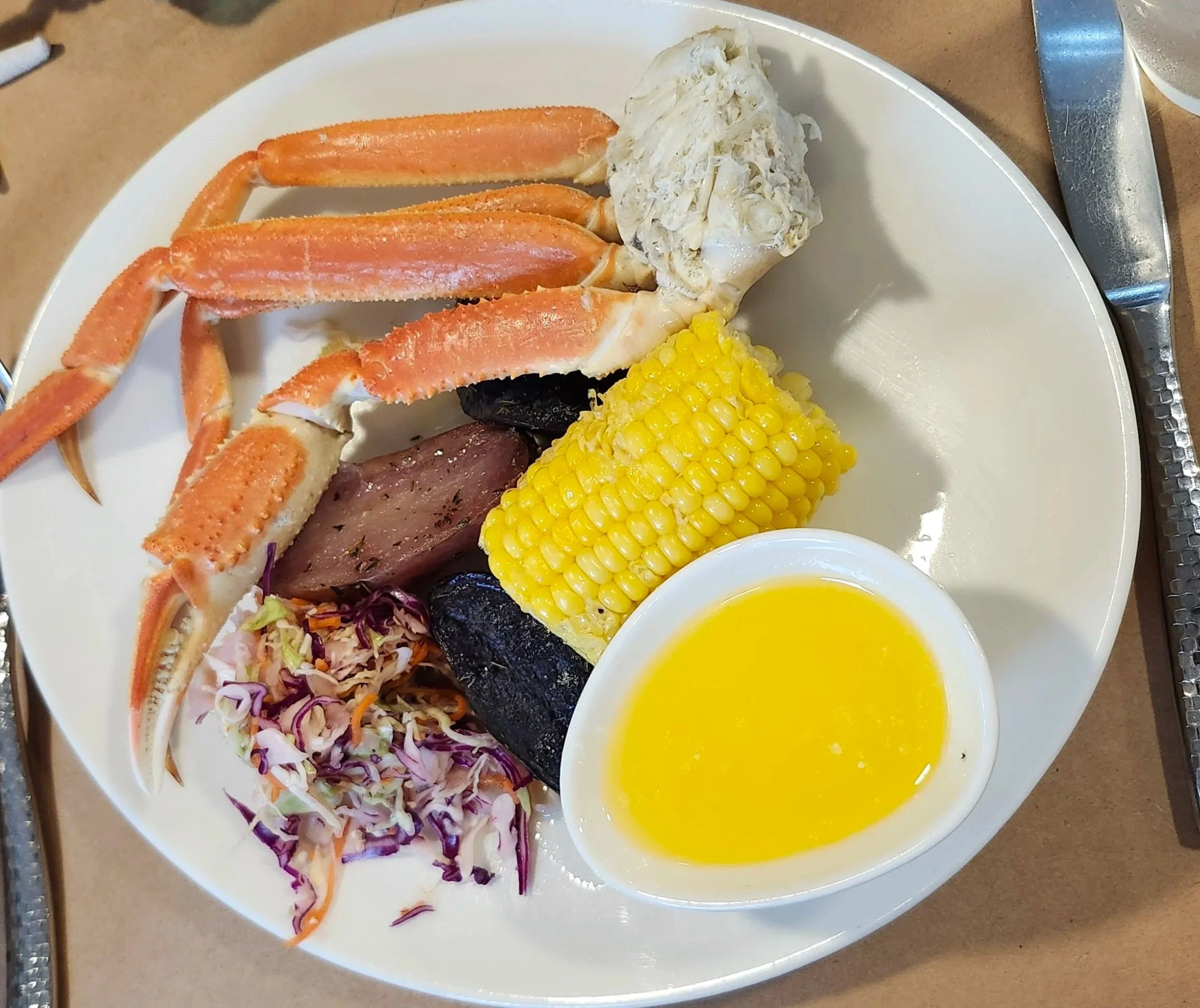
One meal that definitely stood out was crab night. After our stop in Petersburg, the ship brought aboard freshly caught local crab and served it as a proper crab feast that evening. It was a fun, very Alaska-specific meal and a highlight for everyone onboard. This is something Lindblad regularly incorporates into its Southeast Alaska expeditions when local sourcing and conditions allow.
The service was excellent throughout. Both the cabin crew and the food-and-bar team were attentive and quickly learned guest preferences. With only around 60 passengers, service felt genuinely personal
Meals were served in a small dining room at communal tables. The food was generally simple and satisfying rather than elaborate, with snacks during social hour and coffee, fruit and cookies available during the day.
One meal that definitely stood out was crab night. After our stop in Petersburg, the ship brought aboard freshly caught local crab and served it as a proper crab feast that evening. It was a fun, very Alaska-specific meal and a highlight for everyone onboard. This is something Lindblad regularly incorporates into its Southeast Alaska expeditions when local sourcing and conditions allow.
The service was excellent throughout. Both the cabin crew and the food-and-bar team were attentive and quickly learned guest preferences. With only around 60 passengers, service felt genuinely personal
Why This Works So Well With Children
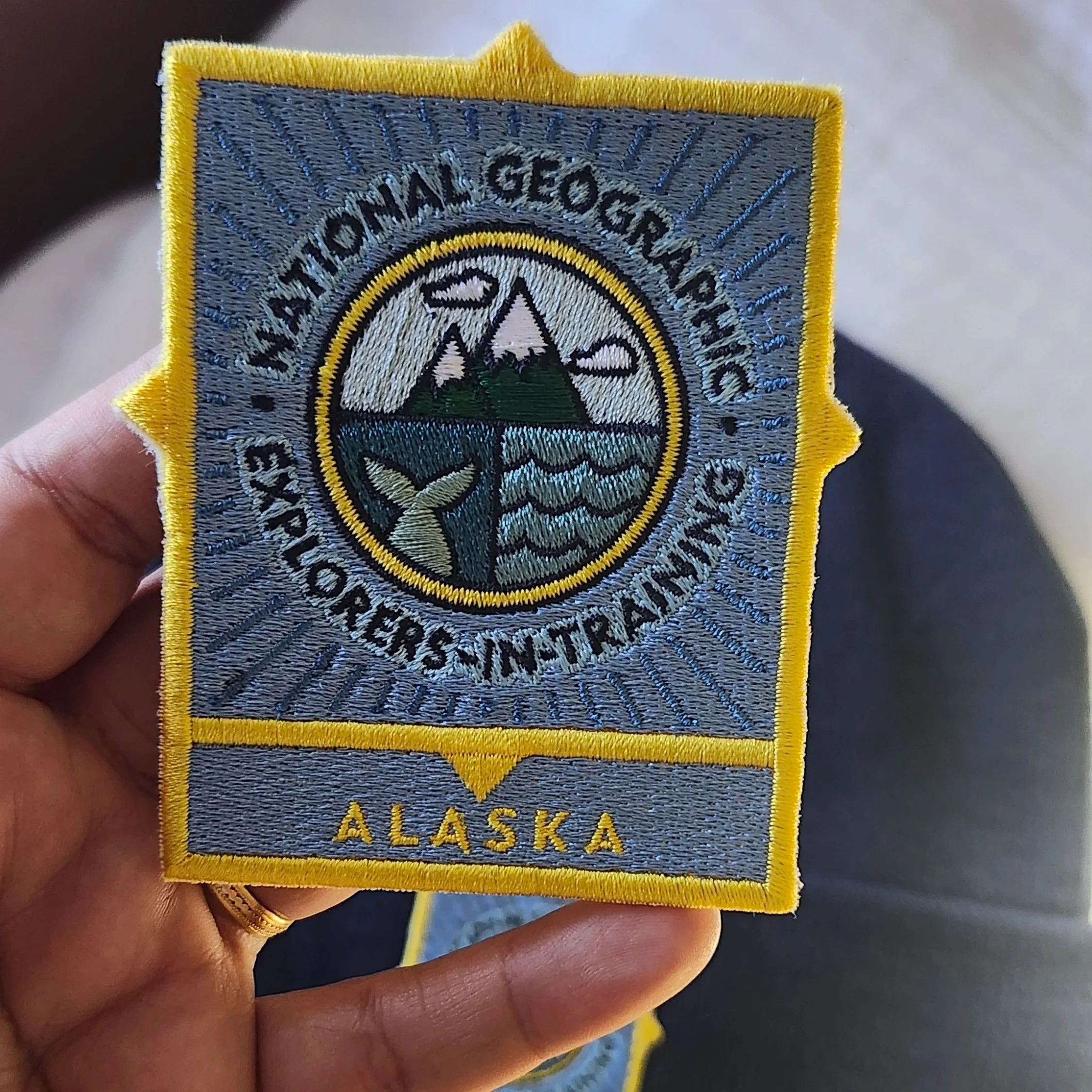
One thing Lindblad does particularly well is involve children directly in the expedition. Its National Geographic Explorers-in-Training program focuses on hands-on learning rather than sending children off to a traditional kids club.
Children could learn from the naturalists, participate in expedition activities and even practice driving a Zodiac under supervision. They received a mock Zodiac driver's license and explorer recognition.
One of the youngest guests on our voyage volunteered to share an interesting fact during the evening recap. She stood up in front of the group and presented something she had learned that day.
My son participated in the same Zodiac rides, wildlife outings and general expedition program as the adults, which made this an easy trip for us to experience together.
Explore National Geographic-Lindblad's Current Alaska Expeditions
Sea Lion has now retired, but National Geographic-Lindblad continues to operate Alaska expeditions with naturalists, Zodiacs, hiking, kayaking and small-group exploration. Browse the current ships and itineraries, including voyages with Zodiac exploration, kayaking, hiking and expert naturalists.
EXPLORE ALASKA EXPEDITIONSFitness Levels Required
An expedition-style trip may sound daunting, but in reality there were enough activity choices to make the experience work for a wide range of ages and fitness levels. We had a seven-year-old on our voyage and a ninety-year-old, and both were able to participate and enjoy the trip.
You do not need to be a serious hiker. I usually chose the moderate hikes, while other guests opted for longer, more strenuous routes or bushwhacking.
One important consideration: you should be comfortable getting in and out of a Zodiac with assistance and walking on uneven ground.
Would I Recommend It?
Yes! I wanted an Alaska trip built around wildlife, being outdoors and actively exploring, while still having a comfortable cabin, attentive service and a proper meal waiting when we returned to the ship.
That is exactly what this trip delivered.
Thinking About an Alaska Expedition?
I'm a National Geographic-Lindblad Expeditions LEXpert and regularly work with Lindblad expeditions in Alaska, Antarctica, the Arctic and Galápagos. I can help you compare the current ships, itineraries and cabin options for your trip.
Author Bio:
Dee is a National Geographic-Lindblad Expeditions LEXpert and travel advisor specializing in expedition travel. I regularly work with Lindblad journeys in Alaska, Antarctica, the Arctic and Galápagos, and sailed this Southeast Alaska expedition myself.