Which Antarctica Itinerary Should You Choose?
Choosing an Antarctica itinerary is not simply a matter of deciding how many days you can travel. Each route delivers a distinctly different expedition. The Antarctic Peninsula offers the classic first experience, while crossing the Antarctic Circle takes you farther south into quieter, more icebound territory. South Georgia and the Falklands create an extraordinary wildlife journey, while Snow Hill Island is a highly specialized quest to see emperor penguins.
As a travel advisor, I advise my clients to choose the itinerary before choosing the ship. A beautiful ship cannot compensate for a route that misses the wildlife, landscapes or level of adventure that drew you to Antarctica in the first place. Once you have selected the route, my guide to how to choose your Antarctica expedition can help you compare operators and expedition styles.
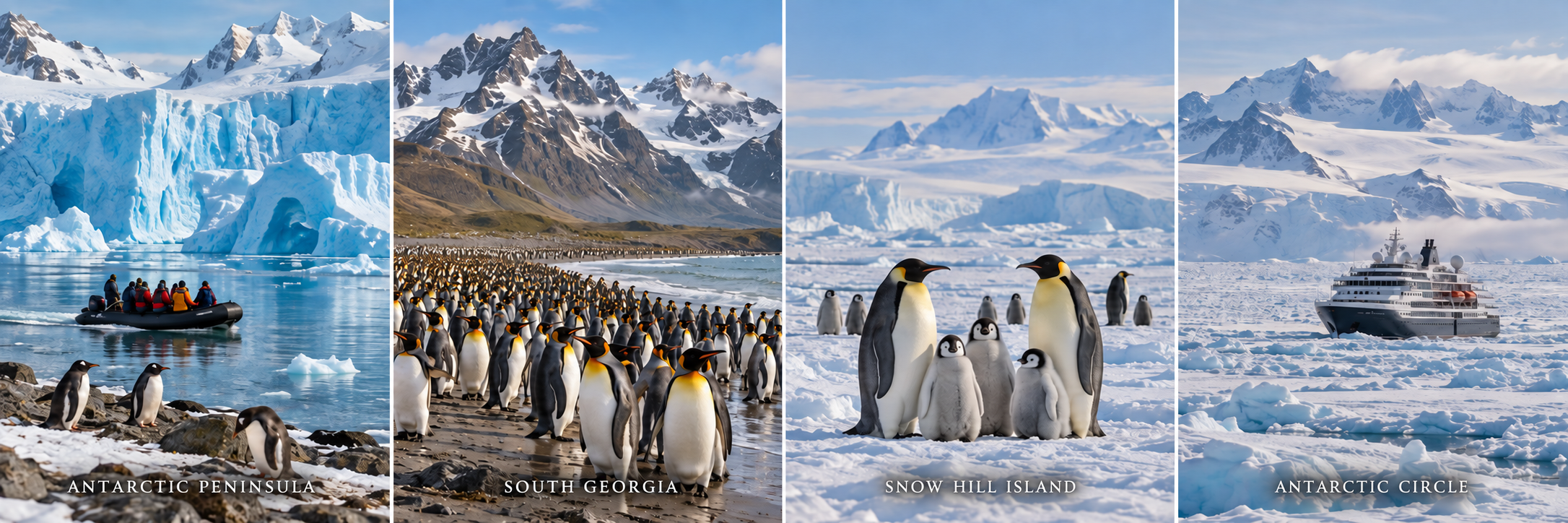
Four Antarctica itineraries most travelers compare
| Itinerary | Best For | Typical Length | Best Travel Period | Signature Experience |
|---|---|---|---|---|
| Antarctic Peninsula | First-time visitors and travelers wanting the classic Antarctica experience | 10 to 13 days | November to March | Glaciers, icebergs, penguin colonies and Zodiac exploration |
| Antarctic Circle | Travelers seeking deeper exploration and more remote southern scenery | 13 to 15 days | December to February | Crossing 66°33′ South amid heavier ice and quieter waters |
| Falklands, South Georgia and Antarctica | Wildlife lovers, birders and photographers | 19 to 23 days | Late October to March | King penguin colonies, albatross, seals and Antarctic ice |
| Snow Hill Island | Travelers whose primary goal is seeing emperor penguins | Around 14 days | Late October to November | An expeditionary attempt to reach an emperor penguin colony |
1. The Antarctic Peninsula
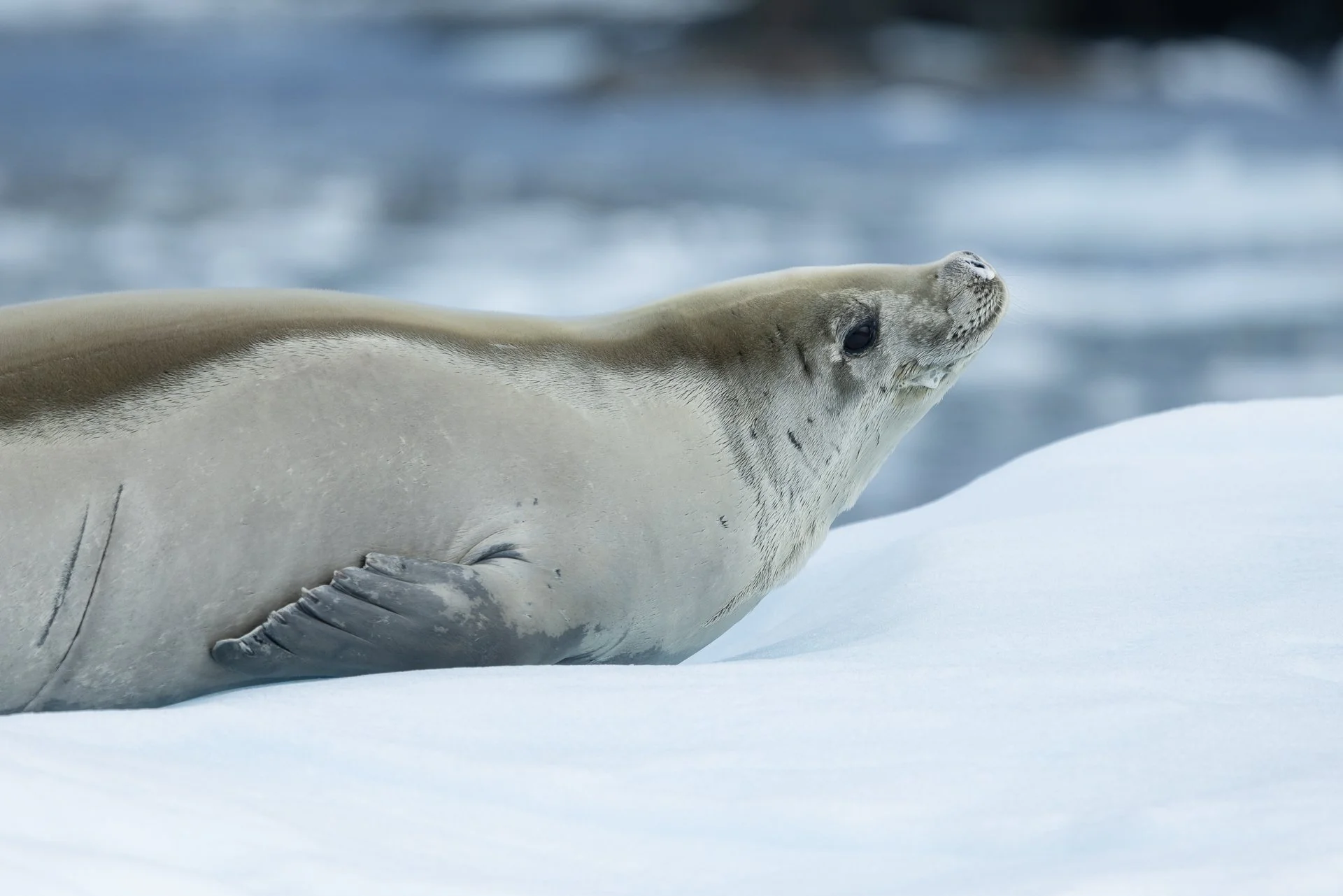
The Antarctic Peninsula is the best introduction to Antarctica for most first-time visitors. It provides the landscapes people picture when they imagine the continent: sculpted icebergs, glaciers tumbling into the sea, penguin colonies, seals resting on ice floes and Zodiac cruises through silent bays.
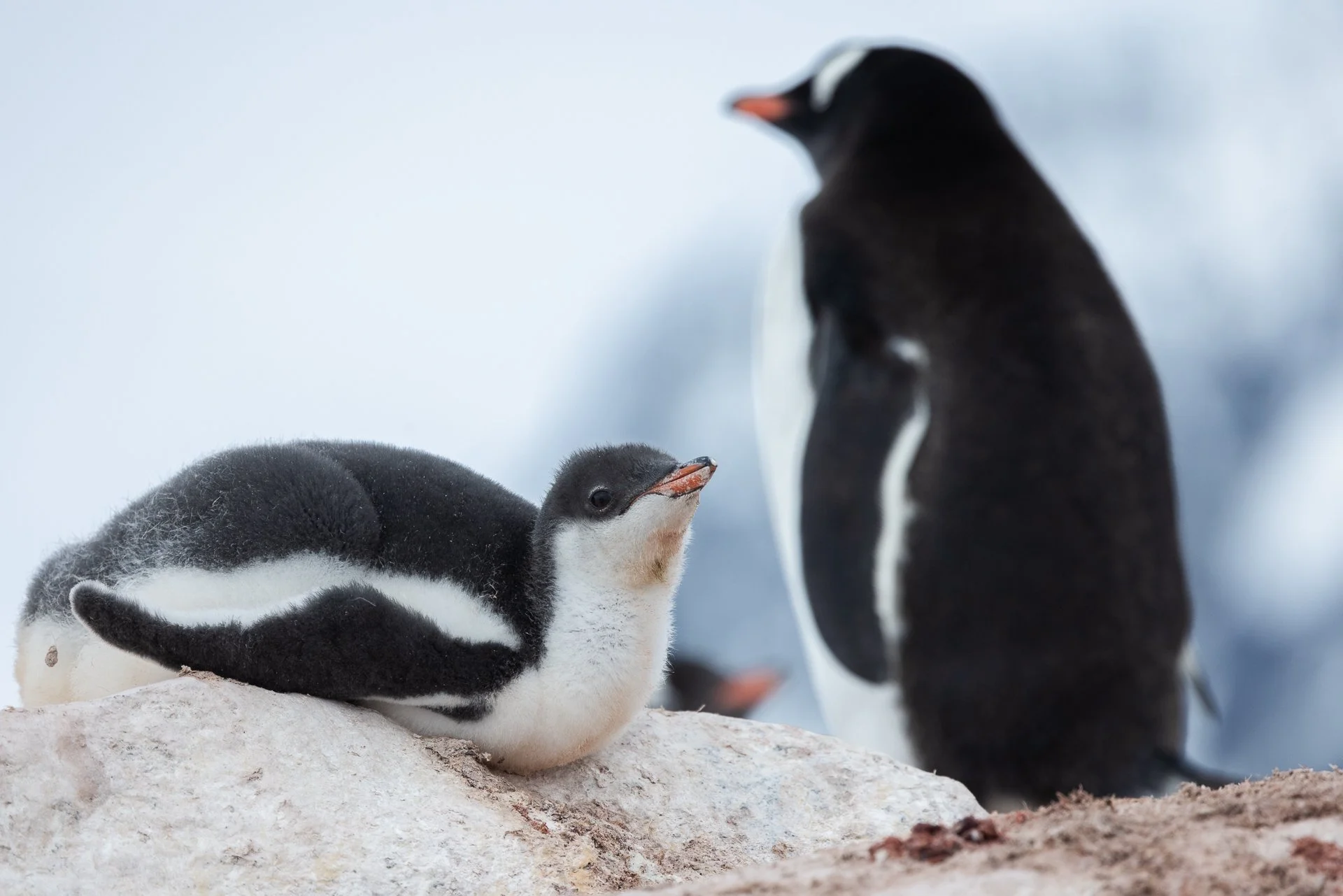
Most Peninsula expeditions last approximately 10 to 13 days. This makes the route manageable for travelers who want a complete polar experience without committing three weeks to the Southern Ocean. Wildlife varies throughout the season, but gentoo, chinstrap and Adélie penguins may all feature.
Depending on the itinerary and conditions, an expedition may also visit places such as Deception Island, Port Lockroy, the Lemaire Channel and continental landing sites. The precise combination will vary, but the essential Peninsula experience brings together ice, wildlife, landings and time on the water.
What will you see on the Antarctic Peninsula?
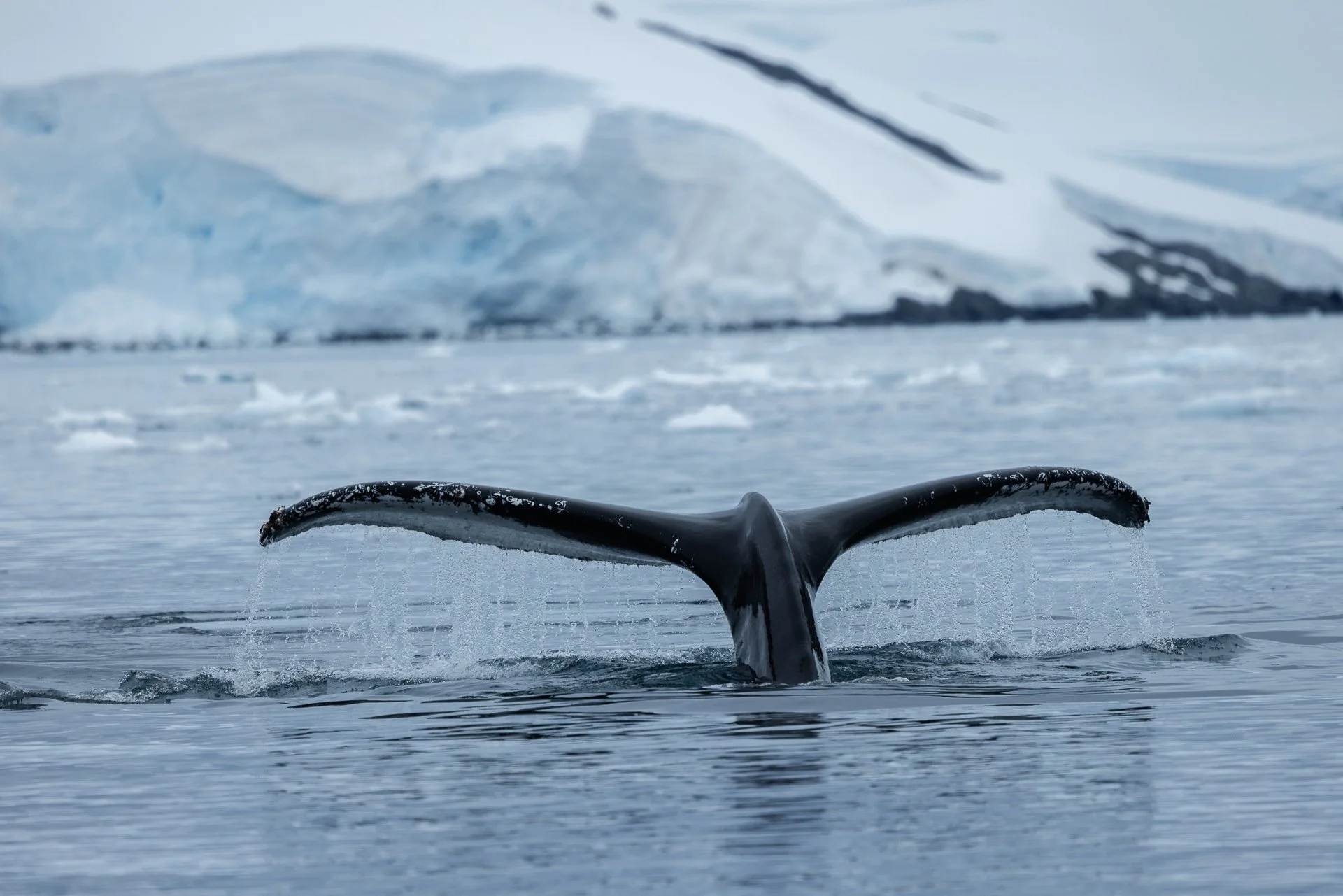
Expect glaciers, immense ice formations, penguin colonies, seals, seabirds and the possibility of whales later in the season. There is no single headline species exclusive to a standard Peninsula itinerary. Its strength is concentration, giving travelers a broad range of classic Antarctic scenery and wildlife within a relatively efficient journey.
The Peninsula also offers the widest selection of ships, departure dates and expedition styles. That flexibility makes it easier to match the voyage to a traveler’s preferred comfort level, activity interests and budget.
Who should choose the Antarctic Peninsula?
I recommend the Peninsula for travelers visiting Antarctica for the first time, particularly when they have around two weeks available. It is also the strongest choice for travelers who want variety rather than one highly specific objective. A well-designed Peninsula expedition can combine wildlife, scenery, landings, Zodiac exploration and optional activities without making the trip feel narrowly focused.
My preference is to look beyond the total itinerary length and compare the number of expedition days in Antarctica. Additional days provide more flexibility for landings, wildlife sightings and changing conditions. I experienced the Peninsula aboard Quark’s Ultramarine, and my Quark Ultramarine Antarctica review explains what the ship, landings and Zodiac outings were actually like.
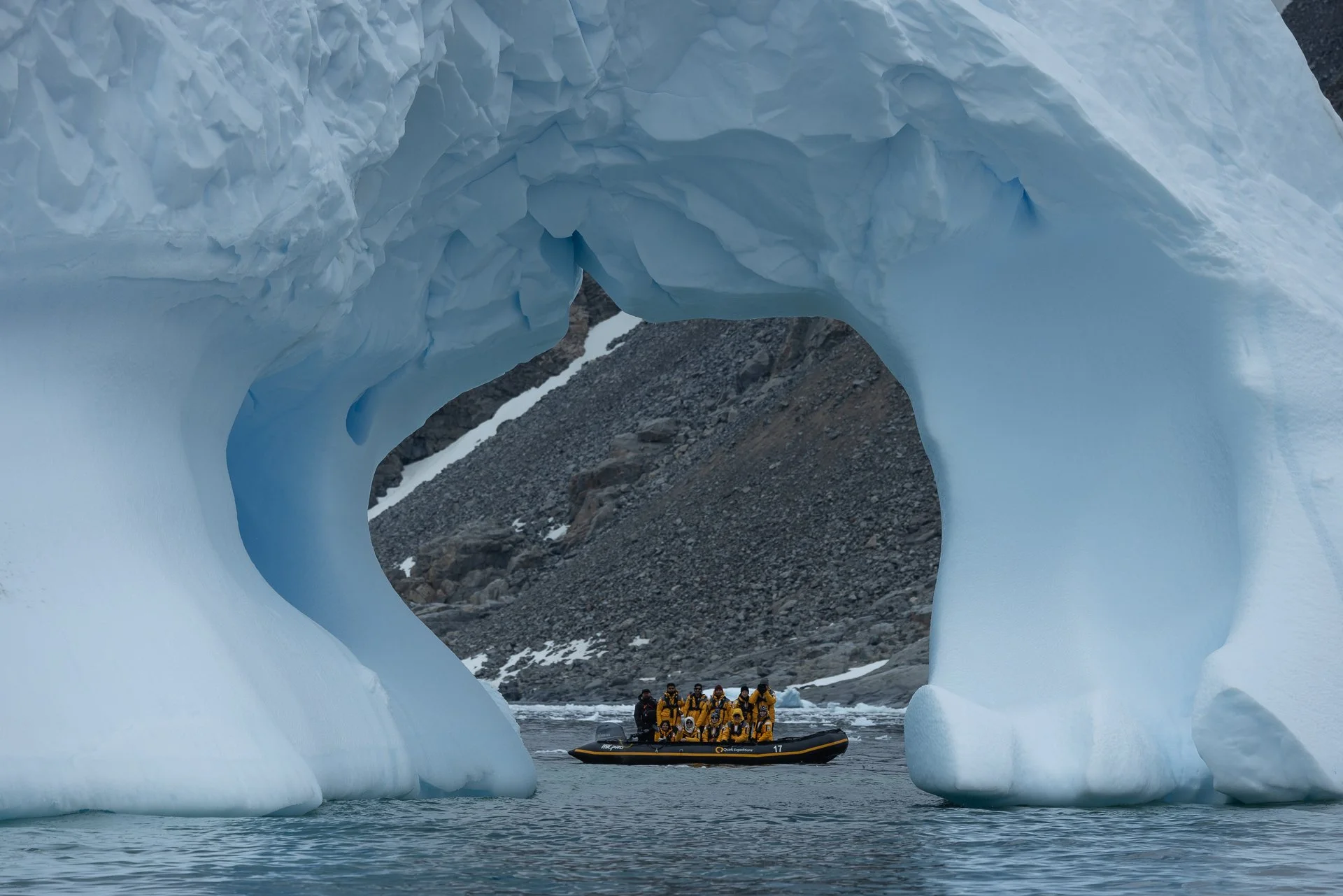
2. Crossing the Antarctic Circle
Crossing the Antarctic Circle is sometimes presented as little more than reaching 66°33′ South and celebrating with a photograph. I think that undersells the experience. The real appeal is the journey farther south.
Circle itineraries continue beyond the areas visited by many standard Peninsula voyages. The landscapes can feel more isolated, the sea ice more extensive and the sense of remoteness more pronounced. Possible areas include Crystal Sound, the Argentine Islands, Detaille Island and Marguerite Bay, although the final route is always shaped by ice and local conditions.
This is the road less traveled within an already remote part of the world.
Is crossing the Antarctic Circle worth it?
Yes, if your priority is a deeper Antarctic experience rather than simply adding another destination to the itinerary. The Circle is worth crossing for travelers who want more time among ice, fewer neighboring ships and the opportunity to explore the southern reaches of the Peninsula.
Travelers primarily interested in penguins, icebergs and classic Peninsula scenery can have an exceptional expedition without crossing it. I steer clients toward the Circle when they know that reaching Antarctica will not feel complete unless they travel farther south.
What will you see beyond the Antarctic Circle?
The difference is geographical rather than based on one guaranteed species. Travelers may encounter heavier sea ice, immense ice fields, remote islands and historic sites that standard Peninsula itineraries may not reach. The environment often feels starker and less visited.
Fewer than one percent of the world will ever reach Antarctica, and those who cross the Antarctic Circle at 66°33′ South belong to an even smaller group, making it one of the rarest and most meaningful lines a traveler can cross. However, as a travel advisor, I advise clients to value the southern exploration rather than judge the voyage solely by whether the ship crosses a particular latitude. Ice and weather determine how far any vessel can travel safely, and the journey south is what makes this itinerary worthwhile.
Who should choose an Antarctic Circle itinerary?
Choose the Circle if you have approximately 13 to 15 days and want Antarctica to feel more exploratory. It is particularly well suited to repeat polar travelers, photographers, ice enthusiasts and first-time visitors who would rather spend additional time in Antarctica than add the Falklands or South Georgia.
For the best chance of navigating farther south, I generally favor the middle of the season, when channels are more likely to be accessible.
The route comes first
Choose your Antarctica itinerary before choosing your ship
The right route depends on what you most want to experience, how much time you have and how far you want the expedition to go. I help clients compare itineraries, ships and cabin options before making that decision.
Submit an inquiry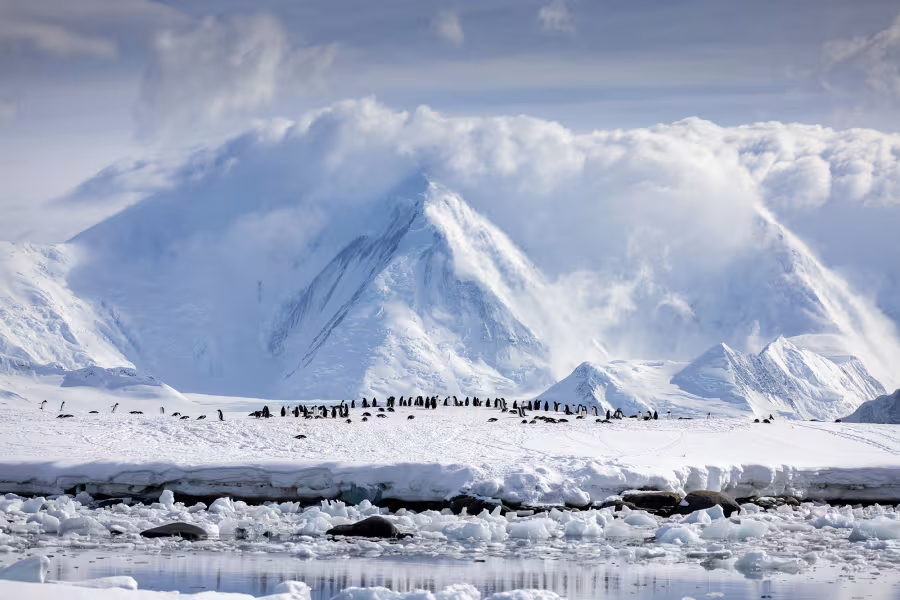
Beyond the Antarctic Circle. PC: Quark Expeditions
3. The Falklands, South Georgia and Antarctic Peninsula
For wildlife, this is the most rewarding of the four itineraries. A complete Falklands, South Georgia and Antarctic Peninsula voyage generally requires about three weeks, and it is not simply a longer version of a Peninsula trip. It is a much broader journey through the wildlife, landscapes and history of the Southern Ocean.
The Falklands bring windswept coastlines, grasslands, albatross colonies and several penguin species. South Georgia delivers wildlife spectacles on an entirely different scale, while the Antarctic Peninsula provides the ice, glaciers and continental scenery. The contrast between the three regions is precisely what makes the voyage so compelling.
Is South Georgia worth visiting?
South Georgia is absolutely worth visiting for travelers who consider wildlife a central reason for making the journey. Its vast king penguin colonies are unlike anything seen on the other routes in this guide. Individual beaches can hold enormous numbers of penguins alongside elephant seals and fur seals.
South Georgia also adds a powerful historical dimension. Sites associated with Ernest Shackleton, including Grytviken, connect the landscapes to the human story of Antarctic exploration. I advise clients to include South Georgia when they want the voyage to be as much about wildlife as ice. It is one of the few destinations that can remain the emotional highlight even after reaching Antarctica.
Are the Falkland Islands worth visiting?
The Falklands are worth including for their birdlife, photography and distinctive landscapes. They are known for black-browed albatross colonies, rockhopper penguins, gentoo penguins and Magellanic penguins. Some locations allow travelers to observe wildlife against green hills and sandy beaches rather than snow and ice.
That contrast makes the islands more than a stop on the way to South Georgia. Depending on the itinerary, the Falklands may also introduce travelers to Stanley, smaller settlements and remote wildlife sites.
What will you see here that you will not see on the other routes?
South Georgia’s vast king penguin colonies are the defining difference. The Falklands add black-browed albatross colonies, rockhopper penguins and wildlife-rich coastal landscapes that feel completely different from Antarctica.
This itinerary also provides the widest range of environments. In one expedition, you can move from temperate islands and grassy headlands to subantarctic wildlife beaches and the icebound Antarctic Peninsula.
Who should choose this itinerary?
Choose this voyage if wildlife is your priority and you can devote approximately three weeks to the expedition. It is particularly strong for photographers, birders, repeat Antarctica travelers and first-time visitors who want to make one comprehensive journey rather than plan a later return.
As a travel advisor, I advise clients to examine how the days are divided among the Falklands, South Georgia and the Peninsula. The strongest itinerary is not necessarily the longest one. It is the one that allocates meaningful time to each region.
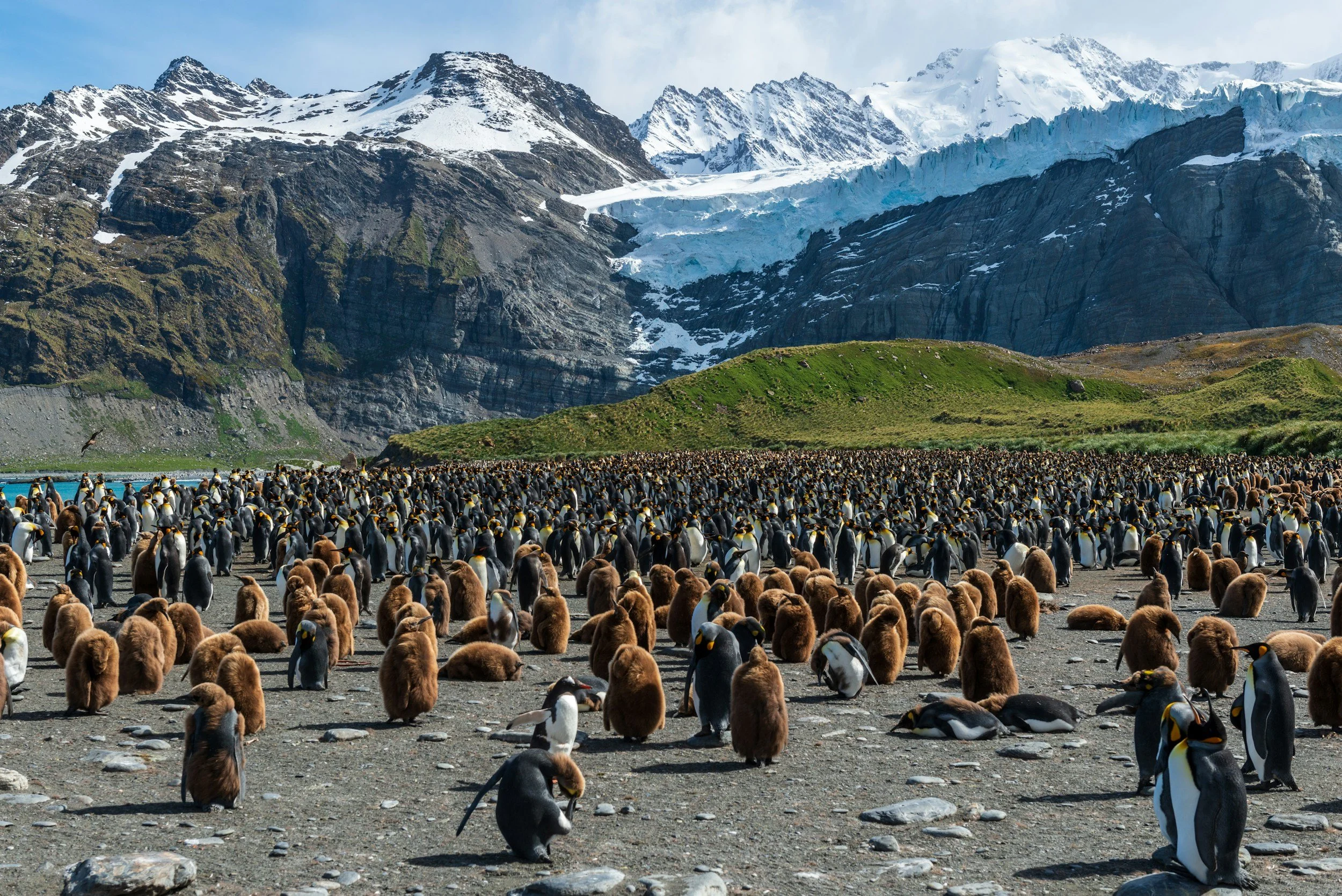
King Penguin Colony, South Georgia
4. Snow Hill Island and the emperor penguins
Snow Hill Island is the most specialized itinerary in this guide. It is a particular type of Weddell Sea expedition built around attempting to reach an emperor penguin colony, rather than providing the broadest possible introduction to Antarctica.
Travelers choose Snow Hill because seeing emperor penguins in their natural environment is the priority around which the entire expedition is built. These voyages usually operate during a narrow period early in the season, often in November, when emperor penguin chicks may still be present and sea ice remains extensive.
What is a Snow Hill Island expedition like?
Snow Hill is difficult to access. Expedition ships position themselves in the Weddell Sea, and some voyages use helicopters to bring guests closer to the colony area. The experience may involve a helicopter flight followed by a walk across snow or sea ice, with the final operating plan determined by visibility, wind and ice conditions.
As a travel advisor, I advise clients to approach Snow Hill as a genuine expedition rather than a scheduled wildlife excursion. Reaching the colony is the objective, but the environment determines what is possible each day. When conditions prevent access, the expedition team may explore other parts of the Weddell Sea through helicopter sightseeing, Zodiac cruises and landings.
What will you see here that you will not see on the other routes?
The emperor penguins are the reason to choose Snow Hill. Standard Peninsula, Circle and South Georgia itineraries are not designed around reaching an emperor penguin colony. Snow Hill offers the possibility of seeing thousands of emperors, including chicks on some departures, within their sea-ice habitat.
The Weddell Sea also provides a distinct landscape of extensive pack ice and enormous tabular icebergs. The helicopter component can reveal the scale of the ice in a way that is impossible to appreciate from sea level.
Who should choose Snow Hill Island?
Choose Snow Hill if emperor penguins are your defining Antarctica goal. It is best suited to experienced expedition travelers, committed wildlife photographers and clients who are comfortable allowing weather and sea ice to shape the outcome.
I would not usually recommend Snow Hill as the default first Antarctica trip. I recommend it when the traveler would rather attempt one rare, highly specific experience than see the greatest possible variety of Antarctic destinations.
Quark operates specialized Snow Hill expeditions aboard Ultramarine. My comparison of Quark’s Ultramarine, Ocean Explorer and World Voyager explains why Ultramarine’s helicopters make it particularly important for this route.

Emperor Penguins at Snow Hill
What about the Ross Sea and East Antarctica?
The Ross Sea and East Antarctica belong in a different category from the four itineraries above. These are long, remote expeditions that generally depart from New Zealand or Australia and require a substantially greater commitment of time and budget.
Travelers come for the Ross Ice Shelf, enormous Adélie penguin colonies, historic expedition huts and the opportunity to visit one of Antarctica’s least accessible regions. The expedition history is a major part of the appeal, with routes potentially including sites associated with Scott, Shackleton, Borchgrevink and other figures from the Heroic Age of Antarctic Exploration.
As a travel advisor, I usually recommend the Ross Sea to experienced expedition travelers or clients for whom polar history and extreme remoteness are more important than completing a conventional first journey to the Antarctic Peninsula.
Which Antarctica itinerary is best for you?
Antarctic Peninsula
Choose it for the best all-round first trip, with classic scenery, wildlife, landings and Zodiac exploration.
Antarctic Circle
Choose it for deeper southern exploration, heavier ice and the experience of crossing 66°33′ South.
Falklands and South Georgia
Choose it for the richest wildlife journey, including king penguins, albatross and immense seal colonies.
Snow Hill Island
Choose it when seeing emperor penguins in their sea-ice habitat is the central purpose of your expedition.
Ross Sea and East Antarctica
Consider it for polar history, vast Adélie penguin colonies, extreme remoteness and a longer expedition from Australia or New Zealand.
My recommendation
Antarctica is absolutely worth the journey, and if your time and budget allow, I recommend choosing the longest and most comprehensive itinerary you can reasonably take. For the richest overall experience, combine the Falklands, South Georgia and the Antarctic Peninsula. You gain the extraordinary wildlife of the subantarctic islands, including South Georgia’s king penguin colonies, before reaching the glaciers, icebergs and penguin colonies of Antarctica itself.
If three weeks is more than you can accommodate, I would next consider an Antarctic Circle itinerary. It gives you additional days exploring the Antarctic Peninsula region and takes you farther south into more remote, icebound landscapes. Crossing 66°33′ South also carries genuine significance: fewer than one percent of the world will ever reach Antarctica, and those who cross the Antarctic Circle belong to an even smaller group.
If your available time or budget points you toward a classic Antarctic Peninsula itinerary, you will still have an extraordinary expedition. My first expedition went to the Peninsula only, and it still delivered the essential Antarctica experience. I would choose the strongest itinerary within your available window and favor the voyage that provides the most meaningful time in Antarctica.
Snow Hill and the Ross Sea sit outside this natural progression. Choose Snow Hill when seeing emperor penguins is the primary reason for traveling, and consider the Ross Sea when you are ready for a longer, more remote expedition centered on polar history, Adélie penguin colonies and rarely visited parts of the continent.
Once the itinerary is clear, the next questions are usually the operator, ship and budget. My guides to choosing an Antarctica expedition and how much it costs to visit Antarctica cover those decisions in detail.
If you are still deciding which polar region to visit first, read my comparison of the Arctic versus Antarctica. There is no universally superior Antarctica itinerary, but there is usually one route that fits a traveler’s priorities far better than the others.
Plan the right expedition
Antarctica does not begin with choosing a ship
I help clients select the right region, expedition style, ship and cabin, then handle the booking from beginning to end. The goal is not simply to reach Antarctica. It is to experience the version of Antarctica that matters most to you.
LET's connectAuthor Bio
I’m a Polar travel advisor and IAATO Antarctic Ambassador, with in-depth training on Antarctia ships, itineraries and polar experiences. I’ve also sailed Antarctica, so I bring both formal training and firsthand experience when helping travelers choose the right expedition.