When Should You Visit Antarctica?
Antarctica is worth visiting throughout its expedition season, but the experience changes significantly from October through March. Early departures bring deeper snow and heavier ice. December and January bring long days and active penguin colonies, while February and March are the strongest months for whale-focused travelers.
If someone asks me to choose one month without giving me any other priorities, I recommend January. It offers the most balanced combination of active penguin chicks, improving whale activity, long daylight, relatively mild conditions and broader access along the Antarctic Peninsula.
That does not make January the best month for everyone. November is stronger for pristine landscapes, February and March are better for whales, and specialized itineraries such as Snow Hill Island and the Ross Sea operate within much narrower windows.
I advise clients to choose the itinerary and wildlife experience first, then select the month that supports that goal. My guide to choosing the best Antarctica itinerary explains how the Peninsula, Antarctic Circle, South Georgia, Snow Hill and Ross Sea differ.
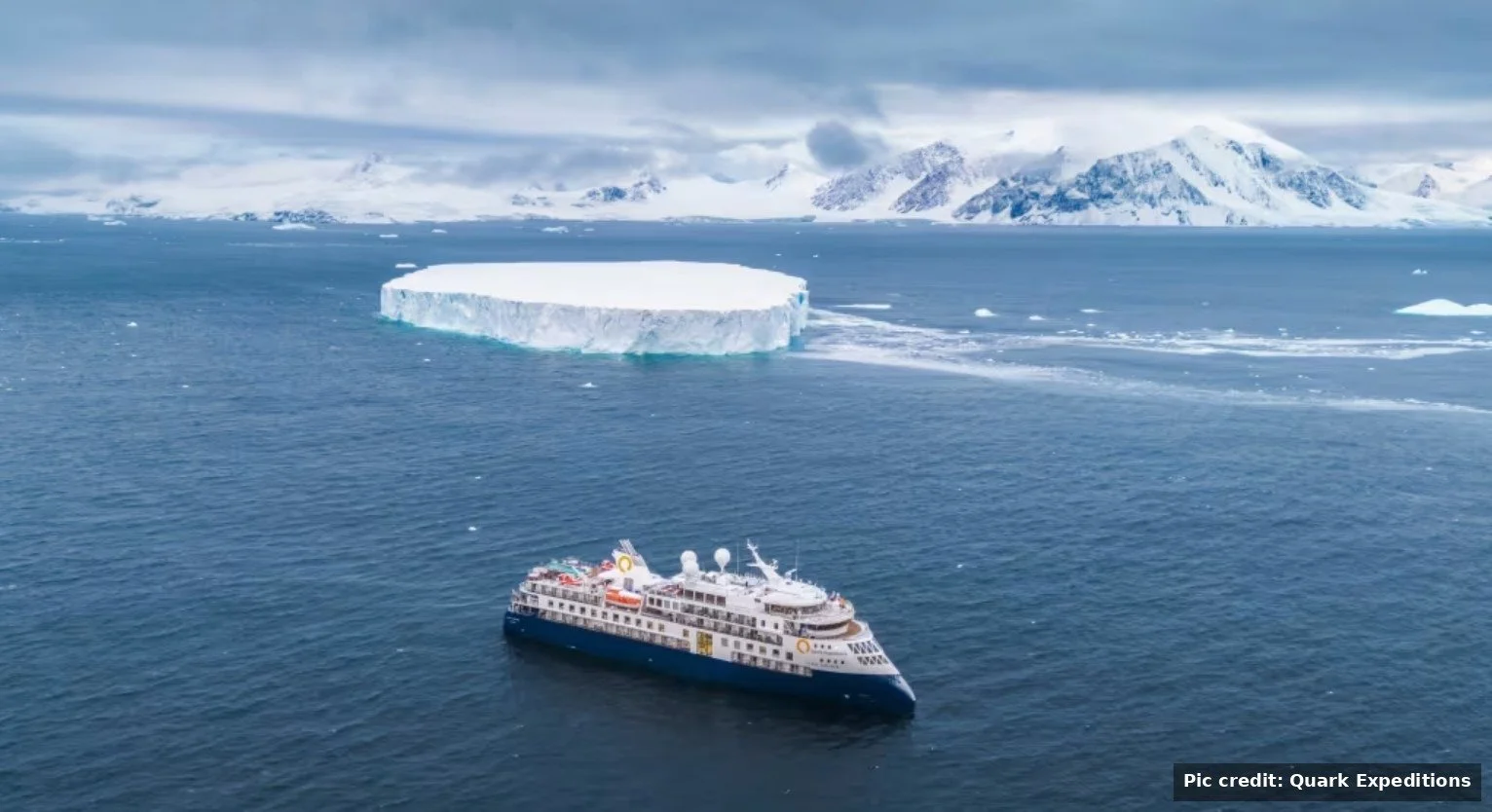
The Antarctica travel season at a glance
October through March
| Month | Snow and Ice | Penguins | Whales | Daylight and Photography | My Recommendation |
|---|---|---|---|---|---|
| Late October | Deep snow, extensive sea ice and highly changeable access | Returning to colonies, with courtship beginning | Occasional sightings | Raw landscapes and defined early-season light | Experienced expedition travelers, South Georgia |
| November | Pristine snow and substantial ice | Courtship, nest building and first eggs | Possible, but not the main draw | Long days with recognizable sunrise and sunset light | Best for ice, landscapes and photography. Snow Hill. |
| December | Strong snow cover with channels beginning to open | Eggs and the first chicks in some colonies | Present and increasing | Extremely long days and extended soft light | Classic first expedition and holiday travel |
| January | More open channels and broader potential access | Active chicks and busy colonies | Increasing through the month | Very long days and relatively mild conditions | Best-balanced month overall |
| February | More open water and exposed rock around colonies | Larger chicks and early fledging activity | Strong feeding activity | Long days with golden-hour light returning | Whales and Antarctic Circle expeditions |
| March | Less snow around busy landing sites | Older chicks, fledging and molting | Often the strongest period | Defined sunrises, sunsets and atmospheric low light | Whales, photography and late-season voyages |
Late October: Antarctica at its most expeditionary
Late October sits at the edge of the normal operating season. Only a limited number of ships have begun their Antarctic programs, and heavy ice can shape where those expeditions travel.
The reward is a landscape that feels exceptionally raw. Snow is deep, sea ice remains extensive and many landing sites look untouched. Penguins are beginning to return to their colonies, with courtship and early nesting activity replacing the chicks seen later in the season.
I recommend late October primarily for experienced expedition travelers, serious ice photographers and travelers heading to South Georgia for elephant seal breeding activity. It is also part of the narrow window used by some Snow Hill Island expeditions attempting to reach emperor penguins.
November: the best month for snow and dramatic ice
November is my preferred recommendation for travelers who want Antarctica to look pristine and intensely polar. Snow still blankets the landing sites, ice formations are substantial and the scenery often feels cleaner and more dramatic than it does later in the summer.
Penguin courtship, nest building and territorial disagreements are a major part of the experience. Depending on the species and location, travelers may see penguins collecting stones, guarding nests or incubating the first eggs of the season.
Whales are present, but I would choose a later departure when whales are the main priority. November is strongest for landscape, ice, seals resting on floes and the busy beginning of the penguin breeding season.
The light is another reason to consider November. Earlier in the month, sunrise and sunset can create more defined color and shadow than during the near-continuous daylight of December and January. The days lengthen rapidly as the month progresses, giving expedition teams substantial time for outdoor operations.
November is also an important month for South Georgia. Elephant seals gather in significant numbers, king penguin colonies contain birds at several stages of their long breeding cycle, and the beaches can feel extraordinarily active. Snow Hill, too is attempted in November typically.
For photographers, November is difficult to beat. I advise clients who care about clean snow, sculpted ice, dramatic scale and recognizable sunrise or sunset light to start here.
December: the classic Antarctica experience
December is the month that most closely matches the Antarctica many travelers have pictured for years. Daylight stretches late into the evening, penguin colonies are active and the landscape still retains substantial snow and ice.
I traveled to the Antarctic Peninsula in mid-December aboard Quark Ultramarine. The penguins had created pathways through the snow between their colonies and the water, and some Adélies were still sitting on eggs. We also saw whales throughout the expedition, although the more concentrated feeding activity associated with late summer had not yet begun.
December is particularly strong for first-time visitors who want a broad experience rather than one specific wildlife event. Nesting penguins, eggs, the first chicks in some colonies, seals, icebergs and long daylight can all feature within the same expedition.
This is not the month to prioritize conventional sunrise and sunset photography. The sun remains above or close to the horizon for much of the day, producing extended periods of soft light rather than a short golden hour. For travelers who want to stay outside late and make the most of every possible hour, that abundant daylight is a major advantage.
Christmas and New Year departures are among the most requested sailings of the season. I advise families and holiday travelers to reserve early, particularly when they need connecting cabins, triple accommodation or a particular ship.
My Quark Ultramarine Antarctica review covers my own December expedition, including the ship, landings and Zodiac experience.
January: the best-balanced month
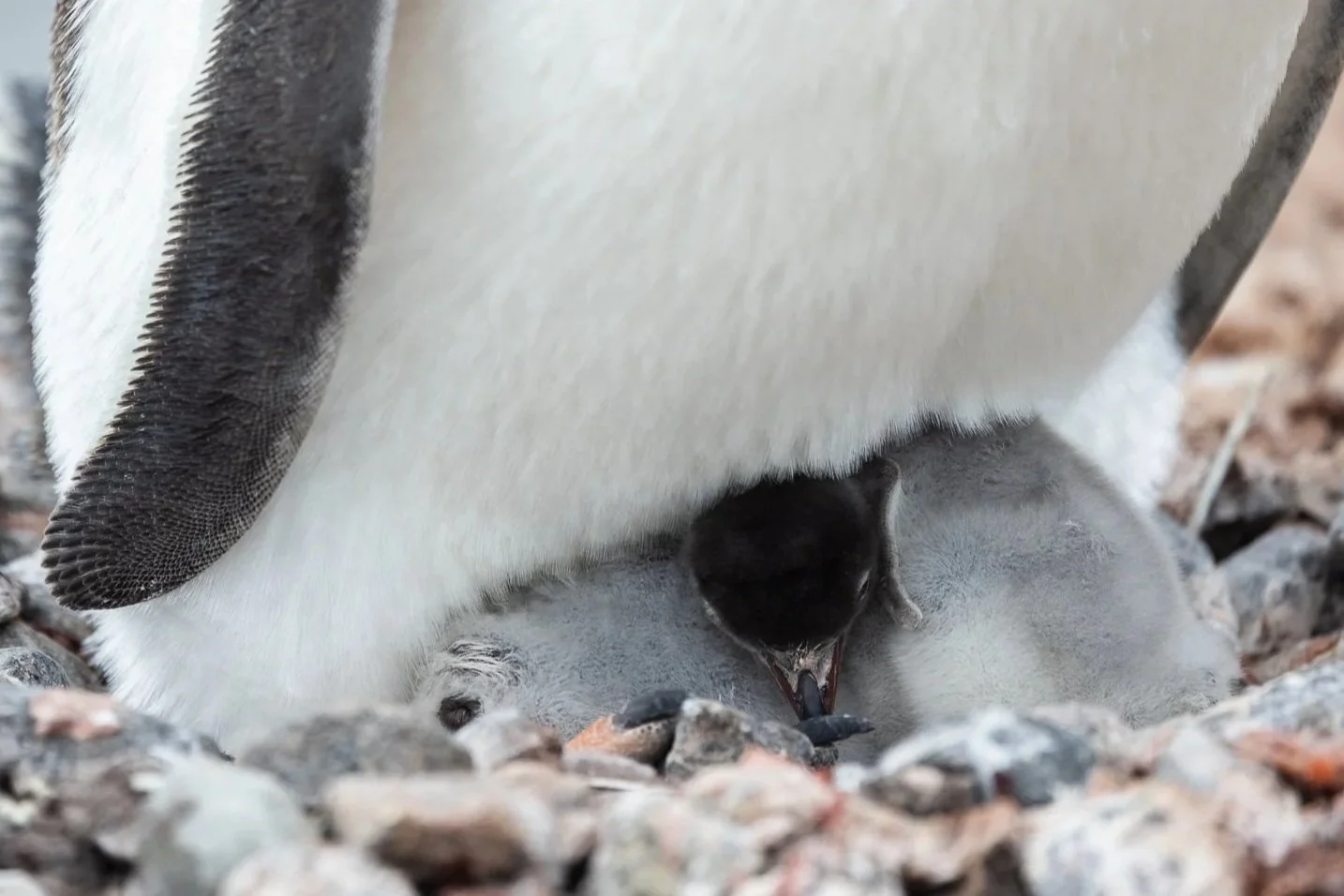
January is my strongest all-round recommendation. Penguin chicks are increasingly visible and active, whale sightings improve as the month progresses, and the long daylight gives expedition teams considerable flexibility.
This is also one of the relatively warmest periods of the Antarctic travel season. Warm is a comparative term in Antarctica, but January can be more comfortable for extended time on deck, Zodiac cruising and longer landings.
Sea ice has generally opened further than it had in November or December. This can support access to channels and landing sites farther along the Peninsula, although every expedition continues to follow the conditions encountered on the day.
January works particularly well for travelers who want to cross the Antarctic Circle. These longer itineraries travel farther south, where more open summer conditions may improve the possibility of reaching 66°33′ South and exploring the remote areas around it.
Demand is high because January offers such a strong balance. I advise clients considering this month to focus first on the quality of the itinerary and expedition operation, then compare available cabin categories and pricing.
Choose the right month
Your Antarctica dates should follow your priorities
Penguin chicks, whales, pristine snow and Antarctic Circle access are strongest at different points in the season. I help clients match their travel dates with the itinerary, ship and wildlife experience they most want.
Find My Best MonthFebruary: the best month for whales and southern access
February is the month I recommend most often to whale-focused travelers. Humpbacks have had more time to feed in Antarctic waters, and sightings generally become more frequent and active than they were at the beginning of the season.
Penguin chicks are larger, more independent and often extremely entertaining. Some are beginning to lose their down, while others are gathering in groups as their parents return from feeding at sea.
The landscape looks different from November. More rock may be visible around busy colonies, while channels and waterways can be more open. I consider this an excellent trade for travelers who prioritize wildlife activity and access over untouched snow.
February is also one of the strongest months for attempting an Antarctic Circle itinerary. Travelers who want whales, active penguin colonies and a journey farther south should look closely at this part of the season.
Daylight remains long, but more defined mornings and evenings begin to return as the month progresses. Photographers traveling later in February can gain both active wildlife and more dimensional light than they would find close to midsummer.
March: whales, sunsets and dramatic light
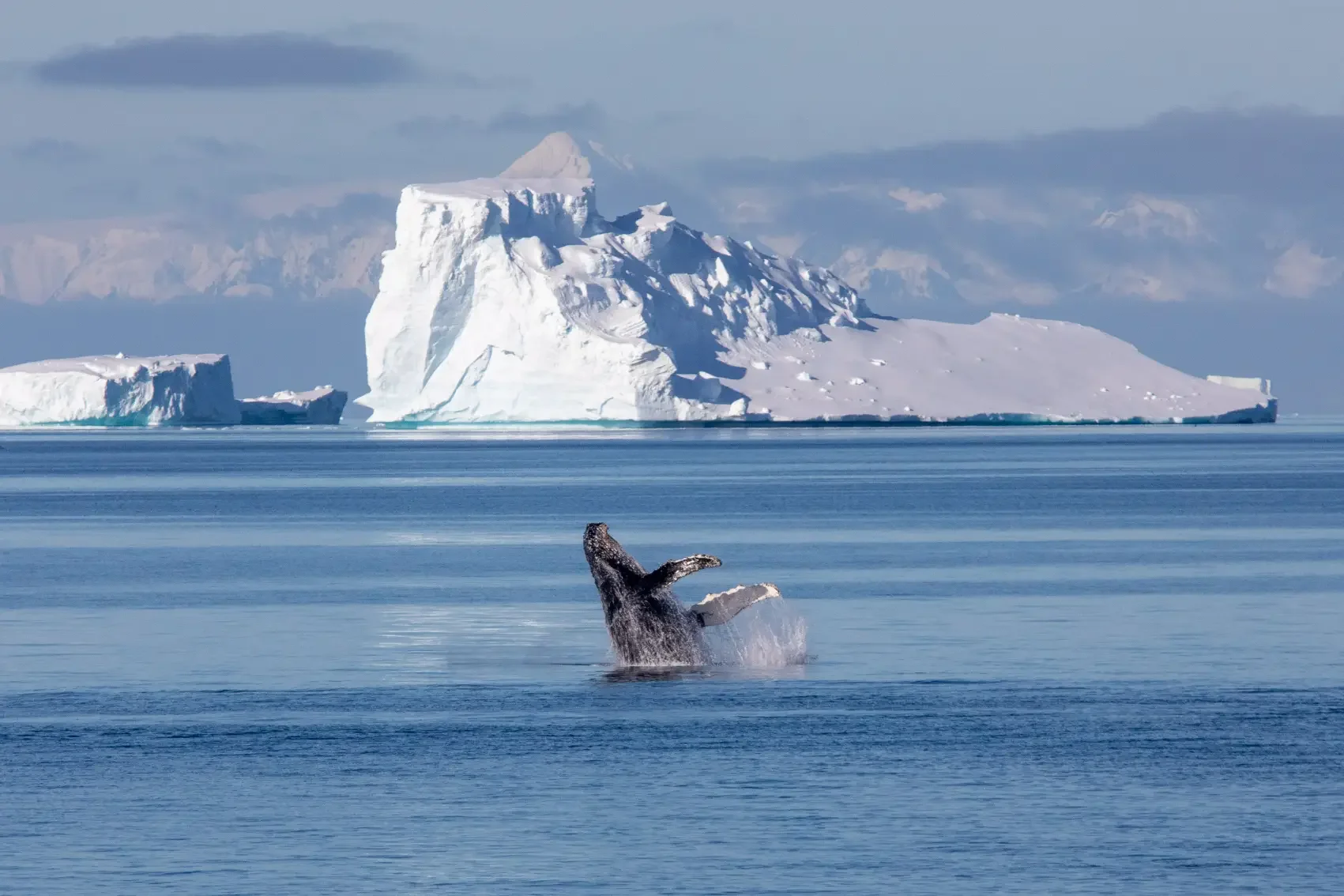
March is an excellent and sometimes overlooked month. Whale activity can be exceptional, penguin chicks are approaching fledging and the lower sun creates warmer tones and longer shadows across the landscape.
This is not the pristine white Antarctica seen in November. The colonies look lived-in, snow cover around popular wildlife sites is reduced and many penguins are molting. For travelers interested in animal behavior rather than perfect snow, March can be one of the most rewarding times to visit.
March also brings the return of more recognizable sunrise and sunset conditions. The sun sits lower in the sky, the evenings become more defined and the changing light can create more atmospheric skies than the near-continuous daylight of December and January.
Photographers should pay particular attention to this shift. December provides extraordinary hours of usable daylight, while March offers more shape, contrast, color and atmosphere.
March can also bring attractive expedition pricing and greater cabin availability on some departures. I advise flexible travelers to compare the complete itinerary rather than selecting a sailing solely because it falls at the end of the season.
What if I find an April itinerary
Most ships have completed their Antarctic programs by the end of March and are repositioning elsewhere. If you find a “great deal” for April, I would evaluate it carefully. I generally reserve April recommendations for repeat polar travelers, flexible adventurers and clients pursuing a specific departure. For a first Antarctica expedition, I prefer November through March because the range of ships and itineraries is much stronger.
The best time to see penguins in Antarctica
Penguins can be seen throughout the expedition season, but their behavior changes each month. November brings courtship, pebble collecting and nest building. December and January bring eggs and newly hatched chicks, while February and March bring larger chicks, fledging and molting.
For the classic fluffy-chick experience, I recommend late December through February. For courtship and pristine snowy colonies, I prefer November into early December.
Snow Hill Island is different because the objective is an emperor penguin colony rather than the gentoo, chinstrap and Adélie colonies seen on many Peninsula voyages. Snow Hill departures operate early in the season, primarily from late October through November.
The best time to see whales in Antarctica
For travelers going to Antarctica specifically for whales, I recommend February or March. Humpbacks, minkes and orcas may be seen earlier in the season, but feeding activity generally becomes more prominent as summer progresses.
January is the better compromise for travelers who want active penguin chicks and improving whale activity. December can still deliver whale sightings, but it would not be my first choice for someone whose trip is centered on whales.
The best time for Antarctica photography
For clean snow, substantial ice and the feeling of a continent emerging from winter, I recommend November. For wildlife paired with extremely long shooting days, choose December or January.
For whales, lower-angle light, visible sunrises and sunsets and more dramatic skies, choose late February or March. These months produce a different visual interpretation of Antarctica, with less uninterrupted snow but considerably more texture and atmosphere.
How the itinerary changes the best month
Antarctica is not one single route. A November Snow Hill expedition, a January South Georgia journey and a February Antarctic Circle crossing offer entirely different experiences, so the tinerary should guide the month you choose.
| Itinerary | October | November | December | January | February | March |
|---|---|---|---|---|---|---|
| Antarctic Peninsula | Not typical | Strong | Best | Best | Best | Strong |
| Antarctic Circle | Not typical | Select | Select | Best | Best | Strong |
| Falklands, South Georgia and Antarctica | Select | Best | Best | Best | Strong | Strong |
| Snow Hill Island | Not typical | Best | Not typical | Not typical | Not typical | Not typical |
| Ross Sea and East Antarctica | Not typical | Not typical | Select | Best | Best | Select |
As a travel advisor, I use this calendar as the starting point and then match the exact departure to the wildlife, ship and expedition style the traveler wants.
Is the Drake Passage calmer in a particular month?
There is no month that consistently guarantees a calm Drake Passage. I advise clients to choose their month for the itinerary and wildlife rather than attempting to predict the condition of the crossing.
Travelers concerned about seasickness can consider a fly-cruise itinerary, but flights to and from King George Island are also controlled by Antarctic weather. The better planning strategy is to select the right voyage, prepare properly for motion sickness and protect the trip with appropriate insurance and schedule buffers.
When should you book Antarctica?
I advise most clients to book 12 to 18 months before departure. Christmas and New Year sailings, South Georgia combinations, Snow Hill expeditions, suites, solo cabins and family-friendly configurations deserve even more lead time.
Late availability does appear, but it offers random choices rather than a carefully chosen combination of dates, ship, cabin and itinerary. For a journey of this scale, I prefer securing the right expedition over waiting for whatever remains.
My guide to how much it costs to visit Antarctica explains the larger budget, including the expedition fare, flights, insurance, activities and pre-expedition arrangements.
My recommendation as an Antarctica travel advisor
If you want one clear answer, choose January. It offers the strongest balance of penguin chicks, improving whale activity, long daylight, relatively mild conditions and access across a wide range of Peninsula itineraries.
Choose November when pristine snow, heavy ice and photography matter most. Choose December for long daylight, nesting activity and a classic first expedition. Choose February or March when whales are the leading priority.
For South Georgia, I favor November through January. For the Antarctic Circle, I favor January or February. For emperor penguins at Snow Hill, the decision is largely made for you because the voyages operate within a narrow early-season window.
Photographers should choose November for snowy landscapes, December or January for extremely long days, and late February or March for more visible sunrises, sunsets and atmospheric light.
Antarctica is extraordinary throughout its expedition season. The goal is not to identify the only good month. It is to choose the month that brings you closest to the version of Antarctica you most want to experience.
Your Antarctica, timed well
Choose the wildlife, itinerary and ship together
I help clients compare Antarctica departure dates according to wildlife priorities, itinerary access, ship style and cabin availability, then handle the booking from beginning to end.
Match Me With a VoyageAuthor Bio
I’m a Polar travel advisor and IAATO Antarctic Ambassador, with in-depth training on Antarctia ships, itineraries and polar experiences. I’ve also sailed Antarctica, so I bring both formal training and firsthand experience when helping travelers choose the right expedition.